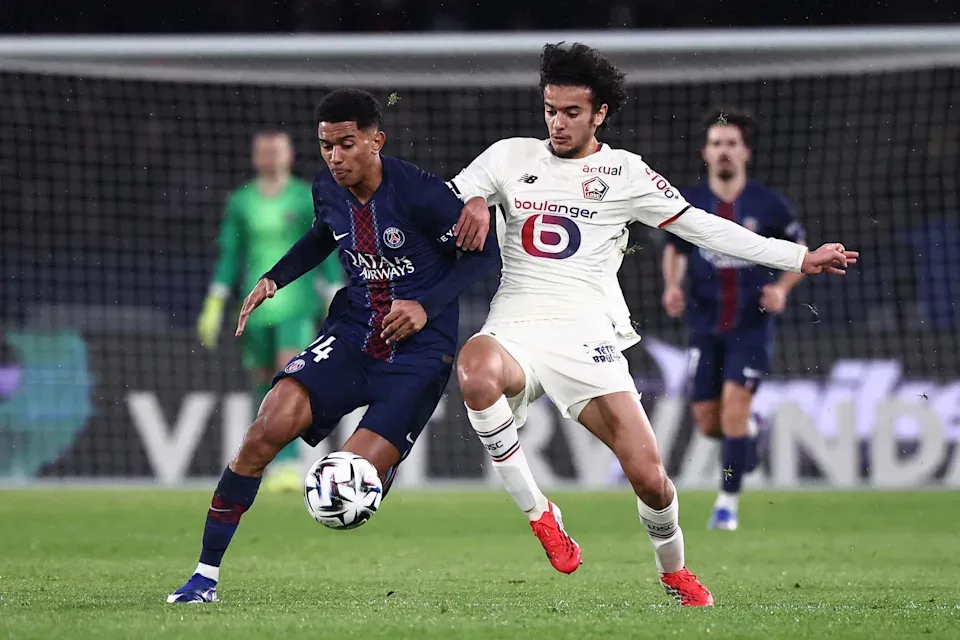
FC Bayern Munich appears poised to continue its aggressive transfer strategy despite a series of high-cost signings that have delivered limited long-term value. Players such as João Palhinha, Corentin Tolisso, and Renato Sanches arrived with significant expectations but struggled to justify their investment. Nevertheless, reports indicate Bayern remain open to another marquee acquisition. The development highlights a broader strategic tension between financial risk-taking and performance outcomes, as elite clubs balance ambition with sustainability in an increasingly competitive global football market.
Costly Investments, Limited Longevity
Bayern Munich’s transfer record in recent years reflects a willingness to deploy substantial financial resources to secure top talent. Midfielders and utility players such as João Palhinha, Corentin Tolisso, Renato Sanches, Ryan Gravenberch, and Marcel Sabitzer were all acquired for eight-figure fees, signaling a clear intent to maintain competitive superiority.
However, these signings have largely failed to deliver sustained impact. Factors including injuries, inconsistent performances, and tactical misalignment have curtailed their contributions, raising questions about recruitment efficiency.
Strategic Persistence in the Transfer Market
Despite these setbacks, Bayern’s leadership appears committed to pursuing high-profile acquisitions. According to Abdellah Boulma, the club is actively exploring the possibility of another major signing, indicating confidence in its financial model and long-term vision.
This approach reflects a broader industry trend where elite clubs continue to invest heavily, viewing occasional inefficiencies as an acceptable trade-off for maintaining a competitive edge.
Financial Strength Enables Risk Appetite
From a financial standpoint, Bayern Munich remains one of Europe’s most stable football institutions. Strong revenue streams from sponsorship agreements, broadcasting rights, and global merchandising provide the club with the flexibility to absorb underperforming investments.
While each unsuccessful transfer represents a sunk cost, Bayern’s robust balance sheet allows it to pursue further opportunities without jeopardizing financial sustainability.
The Need for Smarter Capital Allocation
The recurring pattern of underwhelming returns underscores the importance of refining transfer strategy. Enhanced scouting mechanisms, data-driven decision-making, and closer alignment between coaching philosophy and recruitment could improve outcomes.
In a market characterized by escalating transfer fees, efficient capital allocation is not merely advantageous—it is essential for maintaining long-term competitiveness.
Outlook: Calculated Risk or Strategic Overreach?
As Bayern Munich contemplates another marquee signing, the move will serve as a critical indicator of its evolving strategy. The club’s ability to convert financial investment into consistent on-field success will ultimately determine whether its aggressive approach yields dividends.
In the high-stakes world of elite football, Bayern’s continued willingness to invest reflects both confidence and risk—an equation that will shape its domestic and European ambitions in the seasons ahead.
Comments