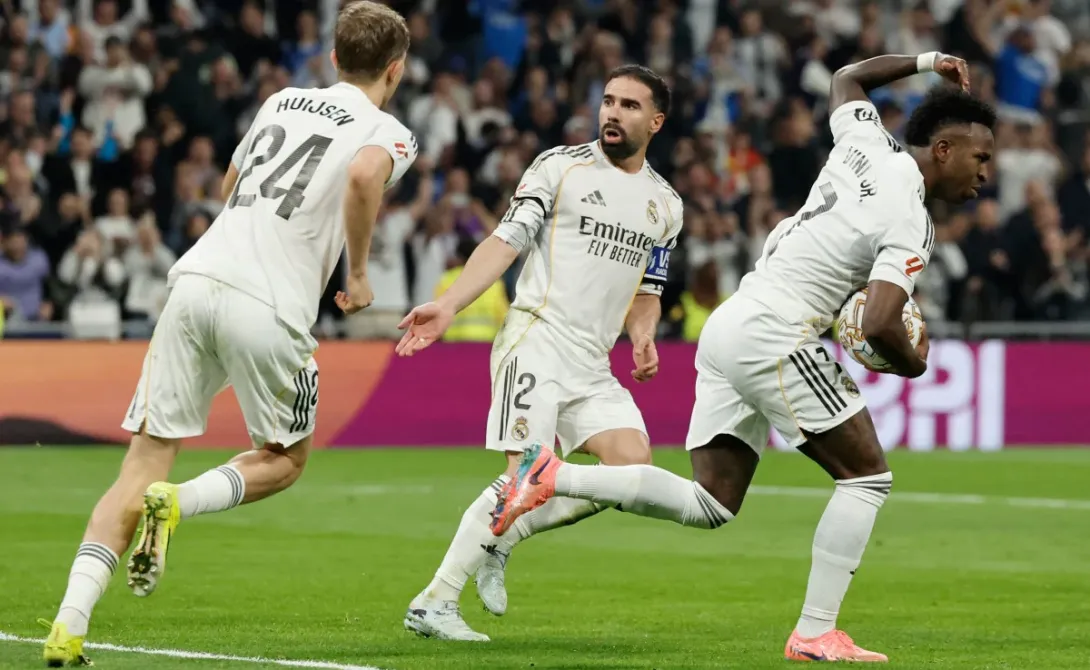
Two of Europe’s most valuable football institutions, FC Bayern Munich and Real Madrid CF, are set to meet in a high-stakes quarterfinal of the UEFA Champions League. The fixture represents not only a contest of tactical excellence but also a convergence of global brands competing for prestige and financial advantage. With significant revenues tied to tournament progression, both clubs face immense pressure to deliver. As anticipation builds, the outcome is poised to influence sporting trajectories, коммерческий opportunities, and long-term strategic positioning in global football.
A Historic Rivalry Renewed
Encounters between Bayern Munich and Real Madrid have long defined the upper echelon of European football. Both clubs possess rich legacies, combining technical excellence with sustained success across decades.
This quarterfinal adds another chapter to a rivalry shaped by elite performance and institutional ambition. The match is expected to draw massive global viewership, reflecting the enduring appeal of two footballing powerhouses competing on the grandest stage.
Financial Stakes in Elite Competition
The UEFA Champions League operates as a multi-billion-euro ecosystem, where progression directly impacts revenue streams. Clubs benefit from prize money, broadcasting rights, and increased sponsorship visibility as they advance.
For Bayern Munich and Real Madrid, reaching the semifinals could translate into substantial financial gains. Beyond immediate earnings, sustained success enhances brand valuation and strengthens negotiating power with commercial partners.
Tactical Battle and Squad Depth
From a footballing perspective, the tie is likely to hinge on tactical execution and squad versatility. Bayern Munich’s structured pressing system and positional dominance will test Real Madrid’s defensive resilience.
Real Madrid, renowned for its composure in high-pressure knockout matches, is expected to rely on experience and transitional efficiency. The interplay between these contrasting approaches could determine the outcome of the fixture.
Global Brands and Market Influence
Both clubs rank among the most commercially successful entities in global sport. Their extensive fan bases and sponsorship networks position them as key players in football’s economic landscape.
A strong Champions League campaign amplifies these advantages, driving merchandise sales, digital engagement, and global brand visibility. The quarterfinal thus serves as both a sporting contest and a strategic marketing platform.
Key Determinants of Success
Critical factors such as midfield control, finishing efficiency, and defensive organization are expected to shape the match. Managerial decisions, including substitutions and tactical adjustments, will also play a decisive role.
In high-stakes fixtures, marginal gains often separate victory from defeat. Both teams will need to maintain discipline and capitalize on key moments to secure progression.
Conclusion
As Bayern Munich and Real Madrid prepare for their Champions League quarterfinal clash, the encounter encapsulates the modern reality of elite football—where sporting ambition and financial стратегия are deeply interconnected. With both clubs seeking to assert dominance on and off the pitch, the outcome will carry far-reaching implications. Ultimately, this high-profile fixture promises not only a spectacle of world-class football but also a defining moment in the ongoing evolution of the global game.
Comments