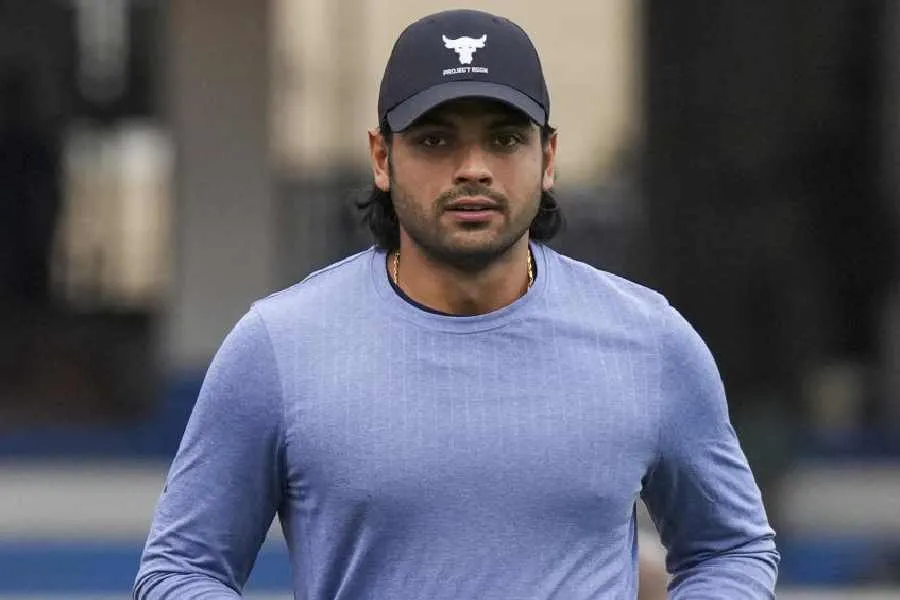
Allegations of misconduct by Paralympic champion Sumit Antil against coach Naval Singh have reignited concerns over athlete welfare and institutional accountability in India’s sports ecosystem. Supported by Olympic gold medallist Neeraj Chopra, Antil has formally approached the Sports Authority of India with allegations of mental harassment and verbal abuse. While SAI acknowledged the complaint, it clarified that the coach operates under the Athletics Federation of India. The case highlights systemic gaps in governance, raising broader questions about oversight, accountability, and athlete protection.
Allegations Bring Athlete Welfare into Focus
The complaint filed by Sumit Antil marks a significant moment in Indian athletics, placing athlete well-being at the center of public discourse. Antil, one of India’s most decorated Paralympians, has accused Naval Singh of mental harassment and verbal misconduct.
Such allegations underscore the growing emphasis on psychological safety in elite sport, where performance pressures often intersect with demanding coaching environments.
Institutional Response Highlights Structural Complexity
The Sports Authority of India confirmed receipt of the complaint but clarified that the coach is not on its payroll. Instead, Naval Singh is associated with the Athletics Federation of India, having been engaged as part of a national coaching setup.
This distinction reveals a fragmented governance structure, where responsibilities are distributed across multiple entities, often complicating accountability and dispute resolution processes.
High-Profile Support Amplifies the Issue
Backing from Neeraj Chopra has elevated the issue’s visibility. As a globally recognized athlete, Chopra’s endorsement adds credibility and urgency to the concerns raised.
The development reflects a broader cultural shift within Indian sport, where prominent athletes are increasingly advocating for transparency and improved professional standards.
Governance and Risk Implications
From a governance perspective, the case exposes potential vulnerabilities in oversight mechanisms. In high-performance sports systems, clear lines of accountability are essential to ensure ethical conduct and protect athletes.
For institutions such as the Sports Authority of India and the Athletics Federation of India, unresolved disputes of this nature can pose reputational risks and undermine stakeholder confidence.
Broader Impact on India’s Sporting Ecosystem
India’s ambitions to emerge as a global sporting powerhouse depend not only on medal tallies but also on the robustness of its governance frameworks. Incidents involving alleged misconduct can affect athlete morale, talent retention, and international perception.
Ensuring a safe, transparent, and accountable environment is critical for sustaining long-term growth and competitiveness in the sector.
Conclusion
The allegations raised by Sumit Antil against Naval Singh have sparked a necessary conversation about athlete welfare and institutional responsibility. With support from Neeraj Chopra, the issue has gained national prominence, prompting scrutiny of existing governance structures. As Indian sport continues its upward trajectory, strengthening accountability mechanisms and prioritizing athlete well-being will be essential to maintaining both performance excellence and institutional credibility.
Comments