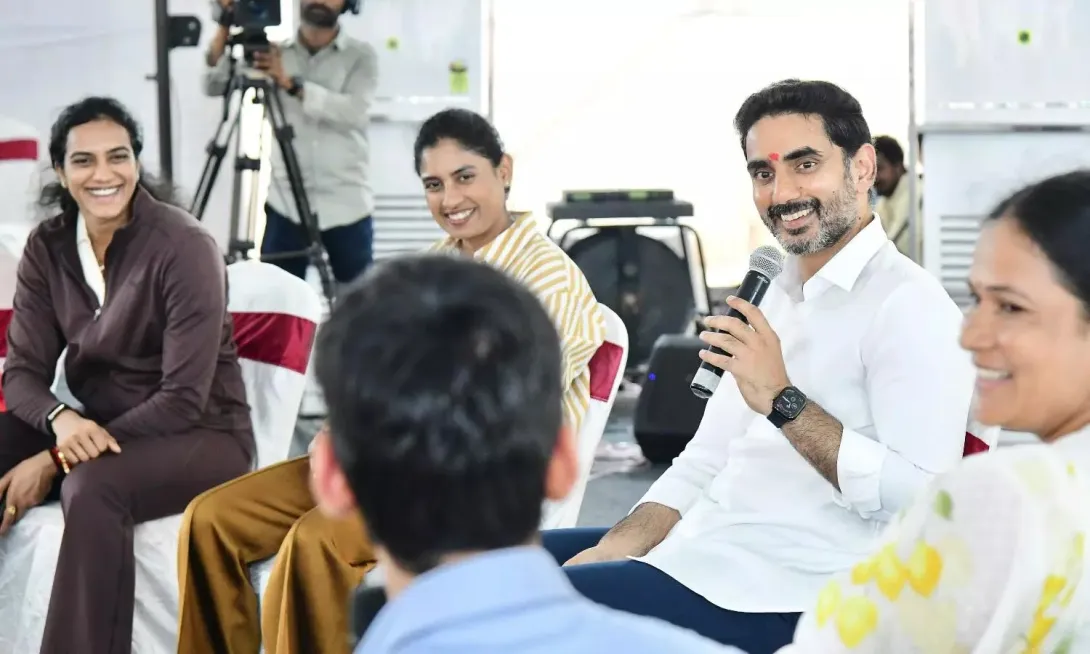
In a strategic push to elevate the sports ecosystem, Nara Lokesh has unveiled a 90-day roadmap aimed at transforming grassroots talent into world-class athletes. The initiative focuses on infrastructure development, institutional support, and employment opportunities for sportspersons. Drawing from insights gathered during his statewide outreach, Lokesh emphasized the need for a structured and inclusive sports policy. With plans to develop regions like Rayalaseema into specialized hubs, the government seeks to align public investment with private participation, signaling a long-term commitment to building a sustainable and globally competitive sports economy.
A Strategic Blueprint for Sports Development
The Andhra Pradesh government is preparing to implement a comprehensive 90-day action plan designed to strengthen the state’s sports infrastructure and talent pipeline. Spearheaded by Education Minister Nara Lokesh, the initiative reflects a policy-driven approach to nurturing athletic excellence.
The roadmap is expected to focus on creating a structured ecosystem that integrates training, facilities, and career pathways. By emphasizing long-term planning, the government aims to move beyond ad hoc initiatives and establish a sustainable framework for sports development.
Grassroots Talent and Regional Focus
A key pillar of the strategy is the identification and promotion of talent at the grassroots level. Lokesh highlighted the importance of expanding access to sports facilities in smaller towns and rural areas, ensuring that potential athletes are not limited by geography or resources.
Special attention is being directed toward developing Rayalaseema as a dedicated sports hub. This regional focus is designed to decentralize opportunities and create multiple centers of excellence, reducing dependency on metropolitan infrastructure.
Insights from Stakeholder Engagement
The policy framework has been informed by extensive consultations with athletes and stakeholders. Lokesh’s statewide outreach initiative provided valuable insights into the challenges faced by young sportspersons, including limited infrastructure, lack of professional guidance, and financial constraints.
Additionally, interactions with members of the Indian women’s cricket team have contributed to shaping a more inclusive and performance-oriented strategy. Such engagements reflect an effort to align policymaking with real-world requirements.
Employment Integration and Economic Impact
One of the notable aspects of the initiative is the integration of sports with employment opportunities. The recent recruitment drive, which saw over 421 candidates secure positions under the sports quota, highlights the government’s commitment to linking athletic achievement with career stability.
From an economic perspective, this approach enhances the value proposition of sports as a viable profession. By creating structured pathways for athletes, the policy aims to attract greater participation and investment in the sector.
Infrastructure Development and Corporate Participation
The roadmap also emphasizes the development and maintenance of high-quality sports infrastructure. Facilities such as the cricket ground in Tirupati, developed under the Sports Authority of Andhra Pradesh, are being positioned as benchmarks for future projects.
Recognizing the financial demands of maintaining world-class facilities, the government plans to actively seek corporate partnerships. Public-private collaboration is expected to play a crucial role in ensuring sustainability and operational efficiency.
Learning from Past Successes
Lokesh referenced earlier initiatives under Chief Minister N Chandrababu Naidu, particularly the development of a sports village in Hyderabad that produced several national and international athletes. This historical precedent serves as a model for scaling similar projects across Andhra Pradesh.
By leveraging past successes, the government aims to replicate proven strategies while adapting them to current needs and global standards.
Conclusion: Toward a Structured Sports Economy
The proposed roadmap represents a shift toward a more organized and economically viable sports ecosystem in Andhra Pradesh. By combining infrastructure development, grassroots engagement, and employment integration, the initiative seeks to redefine the state’s position in India’s sporting landscape.
If executed effectively, the plan could not only produce elite athletes but also contribute to broader economic growth, positioning sports as a key driver of opportunity and development.
Comments