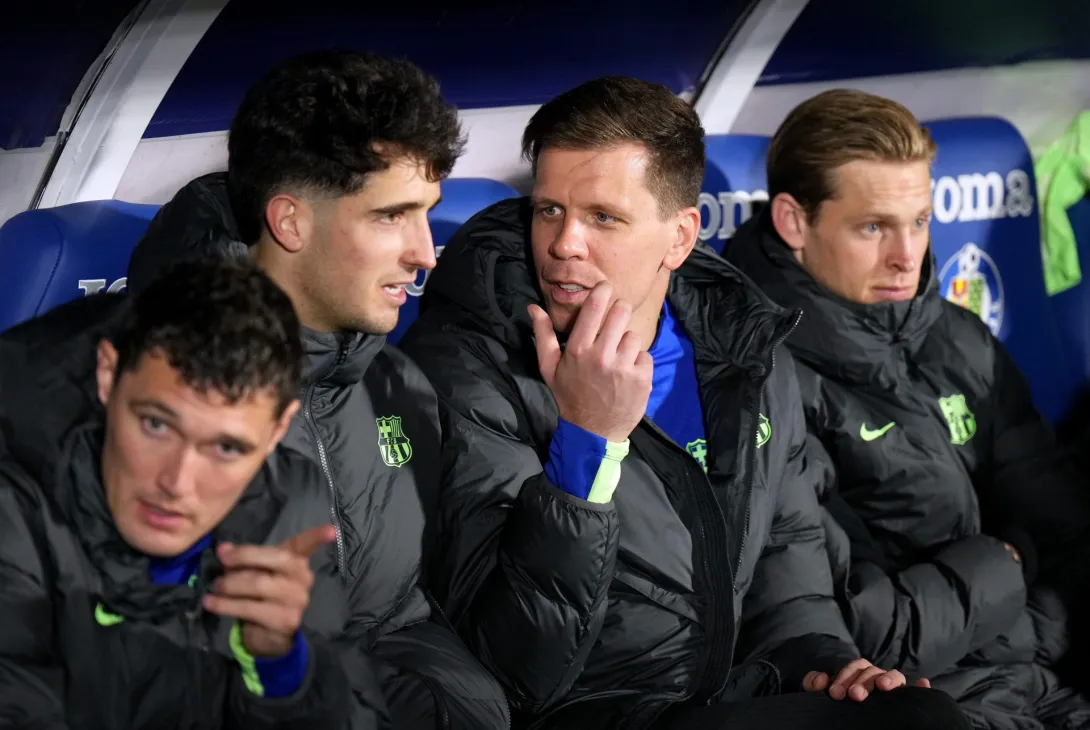
Wojciech Szczęsny is reportedly prepared to remain with FC Barcelona for at least another season despite expectations of significant changes within the club’s goalkeeping structure this summer. The experienced Polish goalkeeper is understood to be willing to accept a reduced role while continuing to contribute through leadership, professionalism, and squad stability. The development provides Barcelona with continuity at a time when the club remains focused on financial discipline and long-term rebuilding. Analysts believe Szczesny’s decision reflects the growing strategic value of experienced players in modern football, where dressing-room influence and institutional stability increasingly complement on-field contributions.
Barcelona’s Summer Plans Take an Unexpected Turn
Barcelona’s anticipated goalkeeping reshuffle may no longer be as extensive as many within European football initially expected.
At a time when speculation surrounding squad restructuring continues to dominate discussions around the Catalan club, veteran goalkeeper Wojciech Szczesny has reportedly communicated his desire to remain in Barcelona for another season, even if his role becomes less prominent on the pitch.
The decision offers the club an experienced and reliable presence during a period of broader organizational transition.
Rather than prioritizing guaranteed starting opportunities elsewhere, Szczesny appears prepared to embrace a supporting role within the squad — a move that reflects both professional maturity and an understanding of Barcelona’s evolving sporting project.
For the club’s leadership, the development may reduce immediate pressure to aggressively restructure the goalkeeping department during an already financially sensitive transfer window.
Experience Continues to Hold Strategic Value
Modern football increasingly revolves around youth development, athletic intensity, and long-term asset management. However, elite clubs continue to place significant value on experienced professionals capable of stabilizing dressing-room environments.
Szczesny’s career has been built on consistency, composure, and tactical intelligence across Europe’s highest levels of competition. Years of experience in domestic leagues, international tournaments, and continental football have made him one of the game’s most respected senior goalkeepers.
That value extends beyond matchday performance.
Veteran players often play a crucial role in maintaining training standards, mentoring younger teammates, and supporting tactical implementation during demanding seasons. Clubs competing across multiple tournaments increasingly rely on experienced squad figures to preserve internal balance and professionalism.
Barcelona reportedly view Szczesny’s leadership qualities as an important asset during a phase where squad cohesion remains essential.
Financial Reality Shapes Barcelona’s Squad Decisions
The situation also reflects the financial realities that continue to influence Barcelona’s operational strategy.
The club remains engaged in an ongoing effort to restore long-term economic stability after years of financial strain and regulatory challenges. Wage management, sustainable recruitment, and careful resource allocation now play a central role in every major sporting decision.
Under such conditions, retaining an experienced goalkeeper willing to accept rotational responsibilities may represent a financially efficient solution.
Avoiding a complete goalkeeping overhaul would allow Barcelona to focus resources on strengthening other priority areas within the squad. In today’s football economy, dependable senior professionals capable of contributing without destabilizing wage structures are increasingly considered strategically valuable.
Szczesny’s willingness to remain despite reduced prominence aligns closely with Barcelona’s current institutional priorities.
Leadership Becoming Increasingly Important in Squad Building
Football executives across Europe have increasingly emphasized that successful squads require more than technical talent alone.
Dressing-room chemistry, psychological resilience, and leadership stability have become essential components of long-term competitiveness, particularly for clubs navigating transitional periods. Barcelona’s recent seasons have been marked by managerial changes, inconsistent European performances, and significant structural adjustments.
In such environments, experienced figures capable of maintaining calm and professionalism often become especially influential.
Szczesny’s continued presence could provide reassurance within a relatively young squad still adapting to evolving tactical systems and competitive expectations. Analysts believe the psychological dimension of squad construction is now more important than ever in elite football.
Veteran Players Adapting to Modern Football Realities
Szczesny’s reported decision also highlights how the role of senior footballers has evolved in the modern game.
Where previous generations of players frequently pursued guaranteed starting opportunities late in their careers, many experienced professionals now recognize the value of remaining within stable elite environments even in rotational roles.
The demands of modern football calendars — including congested fixtures, European competition, and intensified physical requirements — have increased the importance of squad depth and internal leadership.
Goalkeepers, in particular, often enjoy longer careers due to the position’s tactical specialization and reduced physical wear compared to outfield players. Their experience can therefore remain valuable well beyond peak athletic years.
Barcelona appear prepared to capitalize on that dynamic by retaining a player capable of contributing both competitively and institutionally.
Barcelona Continue Their Long-Term Rebuilding Process
The broader context surrounding Szczesny’s decision is Barcelona’s ongoing effort to rebuild sustainably after one of the most turbulent periods in the club’s modern history.
The Catalan side is attempting to restore itself as a consistent European contender while simultaneously operating within stricter financial and structural limitations than in previous eras.
That rebuilding process increasingly prioritizes measured squad management over short-term reactive spending.
Maintaining experienced depth while gradually integrating younger talent fits the club’s evolving strategic model. Rather than pursuing constant dramatic change, Barcelona’s leadership appears focused on creating long-term institutional stability capable of supporting sustained competitiveness.
Continuity May Prove More Valuable Than Revolution
In an environment where transfer speculation frequently dominates football discourse, Szczesny’s decision to remain could ultimately become an understated yet important development for Barcelona.
Elite clubs increasingly recognize that continuity, professionalism, and internal leadership can be just as valuable as high-profile signings during transitional periods.
For Barcelona, retaining a respected veteran without triggering unnecessary financial pressure aligns with the club’s broader efforts to stabilize both sporting and economic operations.
As preparations for the new season intensify, Szczesny’s commitment suggests that experience and adaptability still hold considerable value in modern football — particularly for clubs seeking balance between immediate competitiveness and long-term reconstruction.
Comments