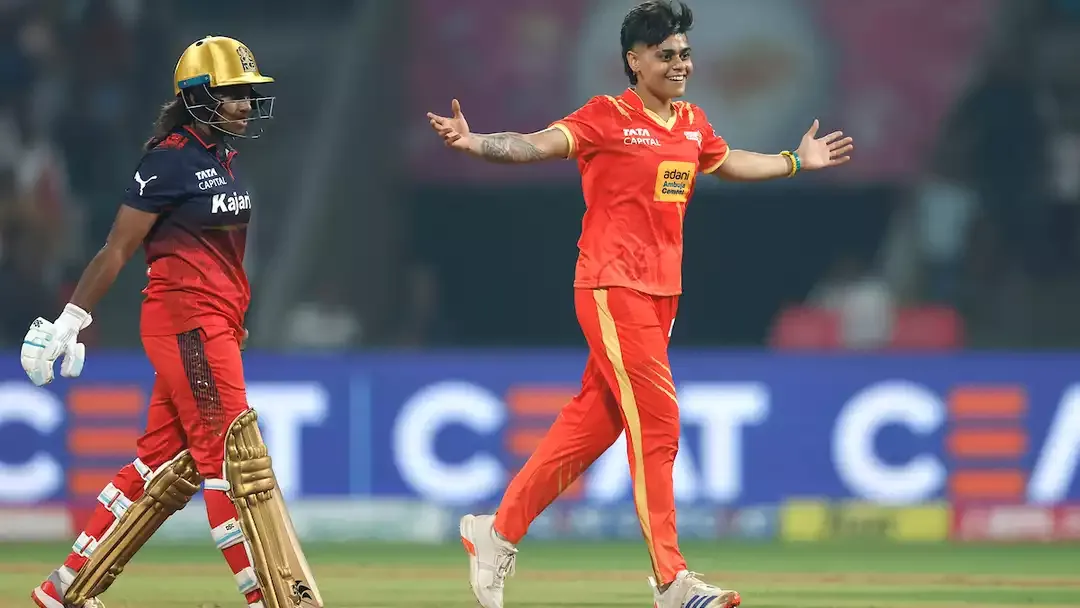
A viral online claim suggesting that Bollywood actor Anushka Sharma had been included in India’s T20 cricket squad recently ignited widespread discussion across digital platforms. While the rumor quickly captured public attention, no official announcement from the Board of Control for Cricket in India confirmed such a development. The episode underscores how celebrity influence and sports fandom often intersect in the digital age, amplifying unverified narratives. It also reflects a broader challenge facing modern sports journalism: maintaining credibility and accuracy in an environment where social media trends can rapidly distort public perception before verified information emerges.
The Origin of a Viral Sports Rumor
In recent days, social media platforms have been flooded with posts claiming that Anushka Sharma had been named in India’s T20 cricket squad. The rumor spread rapidly, drawing reactions ranging from amusement to confusion among cricket enthusiasts.
Despite the widespread circulation of the claim, there has been no confirmation from the Board of Control for Cricket in India (BCCI), the governing authority responsible for selecting the India national cricket team. In professional cricket, squad announcements follow a structured and transparent process, typically released through official statements or press briefings.
The absence of such verification strongly suggests that the claim originated as misinformation or satirical content that was misinterpreted and amplified across digital networks.
The Celebrity-Cricket Connection
Although Anushka Sharma has no formal involvement in professional cricket, her name frequently appears in sports headlines due to her high-profile marriage to Virat Kohli, one of the most recognizable figures in international cricket.
This relationship has placed Sharma at the intersection of two of India’s most influential entertainment sectors: Bollywood and cricket. Public appearances at matches, social media posts and media coverage have made her a familiar presence in the cricketing ecosystem.
Such visibility can unintentionally fuel rumors, particularly in an era where online content often prioritizes virality over factual accuracy.
Social Media’s Growing Influence on Sports Narratives
The incident highlights a broader transformation in how sports information circulates. Digital platforms have democratized content distribution, allowing anyone to publish and share narratives that can reach millions within minutes.
While this accessibility has expanded fan engagement, it has also increased the prevalence of misinformation. Viral posts featuring recognizable names—especially celebrities or star athletes—tend to gain traction quickly, regardless of their authenticity.
For sports organizations and journalists, managing this dynamic has become an increasingly complex challenge.
The Role of Official Channels in Squad Announcements
Team selections for the India national cricket team are typically finalized by a panel of selectors under the supervision of the Board of Control for Cricket in India. These announcements are communicated through official press releases, media briefings or verified social media accounts.
Without such confirmation, any circulating claim remains speculative.
Industry observers emphasize that relying on credible news outlets and official communications is essential to maintaining the integrity of sports reporting.
Lessons for the Modern Media Landscape
The brief confusion surrounding Anushka Sharma’s supposed inclusion in the T20 squad serves as a case study in the evolving relationship between sports, celebrity culture and digital media.
For fans and readers, the episode underscores the importance of verifying information before sharing or reacting to viral posts. For journalists and institutions, it reinforces the need for rapid and transparent communication to counter misinformation.
As cricket continues to expand its global audience and commercial influence, the credibility of sports reporting will remain a critical component in preserving public trust in the game.
Comments