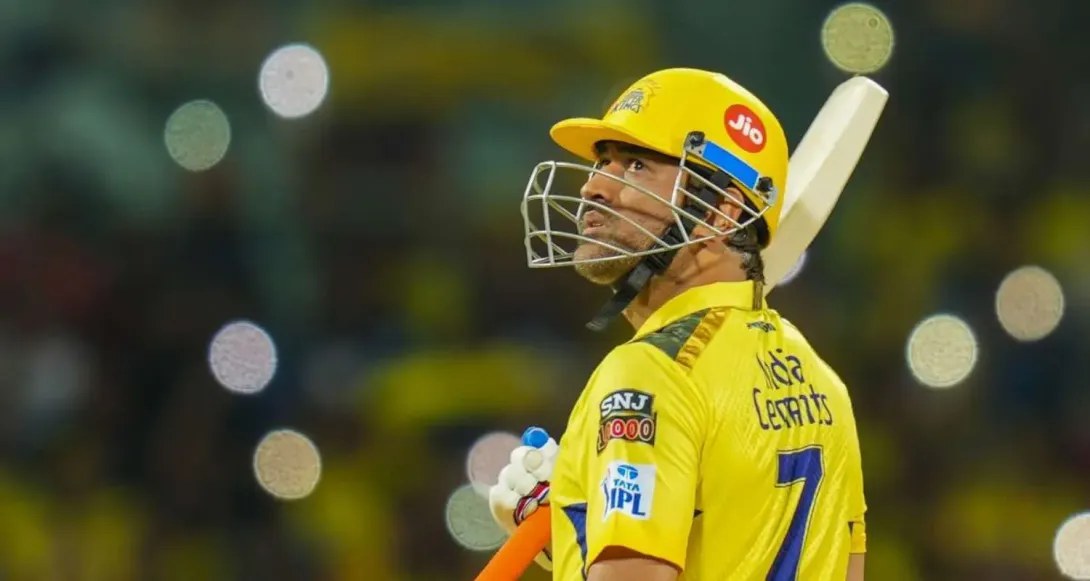
As anticipation builds for the next season of the Indian Premier League, a major talking point within cricket circles is the evolving role of MS Dhoni at the Chennai Super Kings. The legendary captain remains central to the franchise’s identity, yet discussions about leadership succession and long-term strategy have intensified ahead of IPL 2026. Analysts, former players, and fans are debating whether Dhoni will continue in a playing capacity, transition into a mentorship role, or gradually step back from on-field duties. The conversation highlights both Dhoni’s enduring influence and the strategic challenge of balancing legacy leadership with the need for future organizational evolution.
A Franchise Built Around an Icon
Few relationships in professional sport mirror the enduring bond between MS Dhoni and Chennai Super Kings. Since the inception of the Indian Premier League, Dhoni has served as the franchise’s defining figure, guiding the team through multiple championship victories and establishing a culture of resilience and strategic calm.
His leadership style—characterized by calculated decision-making and remarkable composure under pressure—has helped the franchise maintain one of the most consistent records in IPL history. For many supporters, Dhoni is not merely a captain but the symbolic heart of the organization.
As IPL 2026 approaches, however, the franchise faces an inevitable question: how to manage the gradual transition from an era dominated by one of cricket’s most iconic leaders.
The Strategic Debate Around Dhoni’s Role
The debate surrounding Dhoni’s role is less about his legacy and more about how best to deploy his experience in a rapidly evolving league environment.
Modern T20 cricket demands exceptional athletic fitness, tactical adaptability, and the ability to integrate younger players into dynamic game plans. While Dhoni’s cricketing intelligence remains unquestioned, franchise strategists must consider whether his greatest contribution lies in active participation on the field or in a broader mentorship capacity.
Some analysts argue that retaining Dhoni as a playing mentor could help bridge the generational gap within the squad. Others suggest a more formal advisory role that would allow the franchise to nurture new leadership while preserving Dhoni’s strategic influence.
Leadership Succession in High-Performance Sport
Transitions from legendary captains are among the most complex challenges faced by professional sports organizations. Leadership changes affect not only match tactics but also team culture, dressing-room hierarchy, and fan expectations.
For Chennai Super Kings, identifying and empowering the next generation of leaders is a crucial strategic priority. A carefully managed succession plan can ensure continuity in the franchise’s philosophy while allowing younger players to develop decision-making authority.
Dhoni’s continued involvement—whether as a player, mentor, or advisor—could provide stability during this transition, helping emerging leaders adapt to the pressures of captaincy in the IPL’s high-stakes environment.
Commercial Significance of Dhoni’s Presence
Beyond cricketing considerations, Dhoni’s association with Chennai Super Kings carries enormous commercial value. As one of the most recognizable athletes in global cricket, his presence significantly enhances the franchise’s brand equity.
Sponsors, broadcasters, and marketing partners frequently cite Dhoni’s influence as a key driver of fan engagement and media attention. His participation in matches continues to attract massive viewership, strengthening the league’s overall commercial ecosystem.
Even if his on-field role changes, maintaining a visible connection between Dhoni and the franchise remains strategically important for both the team and the broader IPL brand.
Evolving Demands of Modern Franchise Cricket
The IPL has matured into one of the world’s most financially powerful sports leagues, generating billions of rupees in broadcasting rights, sponsorship deals, and global partnerships.
Within this environment, franchises increasingly rely on performance analytics, sports science, and strategic planning to remain competitive. Veteran leaders like Dhoni bring an invaluable dimension to this framework: intuitive game awareness developed through decades of high-pressure competition.
This blend of experience and modern analytics could allow Chennai Super Kings to benefit from Dhoni’s insight even if his playing responsibilities become more limited.
The Road Ahead for Chennai Super Kings
As the countdown to IPL 2026 continues, Chennai Super Kings must strike a delicate balance between honoring a legendary captain and preparing for the next phase of the franchise’s evolution.
For fans, the debate reflects deep admiration for a player who has defined an era of cricketing excellence. For team management, it represents a strategic decision with implications for performance, brand identity, and long-term sustainability.
Regardless of the final outcome, one reality remains clear: the influence of MS Dhoni on Chennai Super Kings—and on the Indian Premier League itself—will endure long after the specifics of his role are decided.
Comments