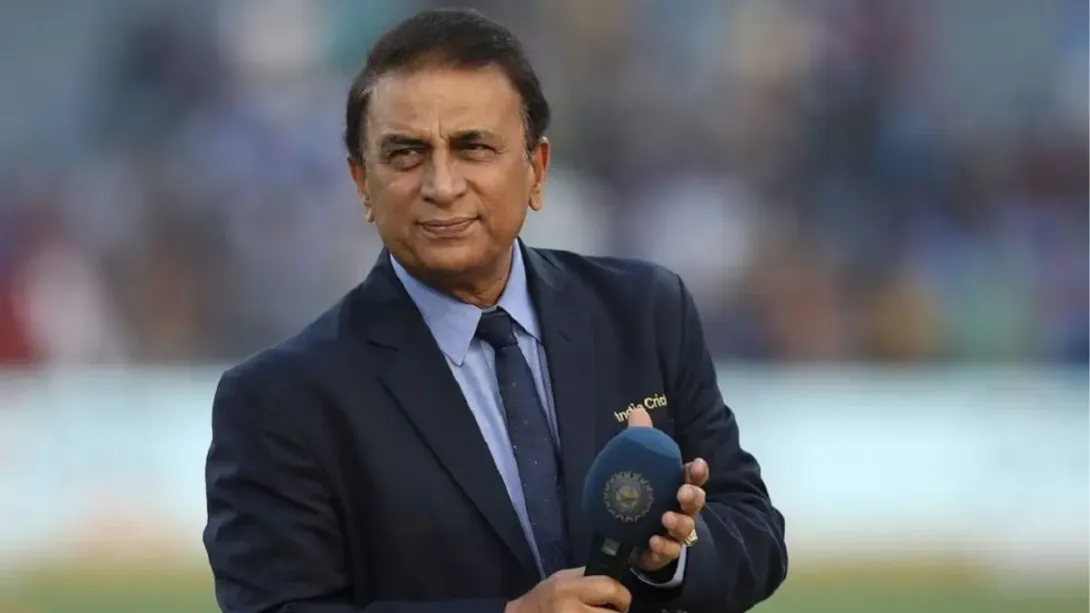
A contentious debate over time management emerged during the Indian Premier League 2026 fixture between Royal Challengers Bengaluru and Mumbai Indians at the Wankhede Stadium. Former India captain Sunil Gavaskar publicly criticized repeated stoppages caused by cramps suffered by Rasikh Salam Dar, suggesting potential misuse of on-field breaks. The incident sparked broader discussions around tactical delays, match tempo, and regulatory oversight. In a league valued in billions of rupees (Rs.), such controversies not only influence competitive fairness but also shape perceptions of professionalism and governance within the tournament.
Match Context and On-Field Disruptions
The high-intensity encounter between Royal Challengers Bengaluru and Mumbai Indians witnessed multiple interruptions during a crucial phase of play. The delays were primarily attributed to repeated cramps experienced by Rasikh Salam Dar.
While player fitness concerns are an inherent aspect of professional sport, the frequency and timing of these stoppages drew attention, particularly given the match situation and its potential impact on momentum.
Gavaskar’s On-Air Critique
Renowned commentator Sunil Gavaskar did not hold back in his assessment, expressing visible frustration during live coverage. He questioned whether such repeated interruptions were disrupting the natural flow of the game and suggested a more structured approach.
Gavaskar recommended that players requiring extended medical attention should temporarily leave the field, receive treatment, and return once fit—an approach that could preserve match continuity while ensuring player welfare.
Tactical Time Management: Strategy or Concern?
The episode has reignited discussions around tactical time management in T20 cricket. In high-pressure scenarios, even minor disruptions can influence batting rhythm, bowling strategies, and overall match dynamics.
While there is no definitive evidence to suggest deliberate time-wasting, the optics of repeated stoppages raise questions about the fine line between legitimate medical intervention and perceived tactical delay. For franchises, maintaining competitive integrity is as critical as securing results.
Regulatory and Commercial Implications
The Indian Premier League operates within a highly regulated and commercially sensitive framework. Any perception of unfair play or manipulation—intentional or otherwise—can have broader implications.
With the league’s valuation running into billions of rupees (Rs.), maintaining transparency and consistency in on-field conduct is essential. Broadcasters, sponsors, and global audiences expect a product that is both entertaining and ethically sound.
Balancing Player Welfare and Match Integrity
Cricket administrators face the ongoing challenge of balancing player health with the need for uninterrupted gameplay. While cramps and fatigue are genuine concerns in physically demanding formats, clear protocols may be required to address repeated stoppages.
Introducing stricter guidelines—such as mandatory off-field treatment for recurring issues—could help maintain the integrity of the contest without compromising athlete well-being.
Conclusion
The incident involving Royal Challengers Bengaluru and Mumbai Indians has spotlighted an often-overlooked aspect of modern cricket: time management under pressure. Sunil Gavaskar’s remarks have added weight to the debate, prompting stakeholders to reconsider existing norms. As the Indian Premier League continues to evolve, ensuring a balance between fairness, player welfare, and commercial expectations will remain central to its sustained success.
Comments