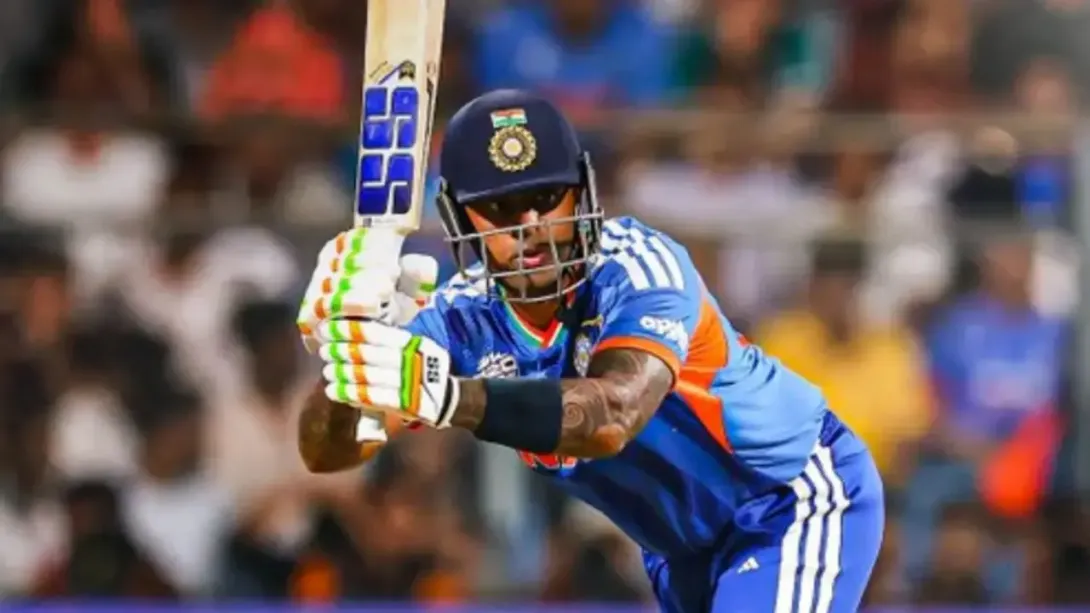
Following India’s victory in the ICC Men's T20 World Cup, captain Suryakumar Yadav has highlighted the remarkable depth of cricketing talent emerging across the country. The star batter emphasized that India’s continued success is built on a strong domestic structure, competitive franchise leagues, and a growing pool of skilled young players. His remarks reflect broader confidence within the cricketing community about the sustainability of India’s dominance in the shorter format of the game. Analysts say the nation’s talent pipeline, backed by institutional support and advanced training systems, positions India for long-term success in global cricket competitions.
Leadership Perspective on India’s Rising Cricket Depth
Suryakumar Yadav, who led India to victory in the ICC Men's T20 World Cup, has underscored the extraordinary depth of talent currently emerging from India’s cricketing ecosystem.
Speaking about the team’s success and the broader state of the game in India, Yadav noted that the national squad now benefits from a constant influx of young, highly skilled players ready to compete at the highest level. According to him, modern Indian cricketers are entering international competition with stronger technical foundations, improved physical conditioning, and greater tactical awareness.
This evolution, he suggested, reflects years of investment in grassroots development and professional training infrastructure.
Domestic Structure Driving Player Development
A key factor behind India’s growing cricketing strength lies in the country’s well-organized domestic system overseen by the Board of Control for Cricket in India. Domestic tournaments provide a competitive environment where emerging players can refine their skills against high-quality opposition.
These competitions act as a critical stepping stone between grassroots cricket and the international stage. Young athletes gain valuable match experience while selectors closely monitor performances to identify future national team prospects.
Experts believe that the depth and scale of India’s domestic competitions have played a decisive role in building a sustainable pipeline of elite cricketers.
Franchise Cricket Accelerating Talent Exposure
The rapid rise of franchise-based tournaments such as the Indian Premier League has also contributed significantly to player development.
The IPL offers emerging Indian players a rare opportunity to compete alongside some of the world’s most accomplished cricketers. Exposure to international teammates, high-pressure matches, and sophisticated coaching methods helps accelerate their development.
From a business perspective, the league has transformed cricket into a powerful commercial platform, generating billions of rupees through media rights, sponsorship agreements, and brand partnerships. This financial strength allows teams to invest heavily in scouting networks, sports science, and player performance programs.
Competitive Environment Strengthening National Selection
Yadav also emphasized that the intense competition for places in the Indian squad has raised overall performance standards. With a large number of talented cricketers competing for limited positions, only the most consistent performers earn national selection.
This environment encourages players to maintain high levels of discipline, fitness, and technical improvement. Increasingly, teams are integrating performance analytics, biomechanical analysis, and specialized coaching to refine individual skill sets.
Such professionalization reflects the broader modernization of cricket management in India.
Future Outlook for Indian Cricket
Looking ahead, Suryakumar Yadav expressed optimism about the future of Indian cricket. With a robust development structure and a continuous stream of promising young players, the national team appears well positioned to remain competitive in upcoming international tournaments.
For analysts and sports economists, India’s talent ecosystem represents a powerful example of how strategic investment in grassroots systems and professional leagues can produce sustained sporting excellence.
As the sport continues to expand globally, India’s ability to consistently produce world-class players may remain one of its most significant competitive advantages.
Comments