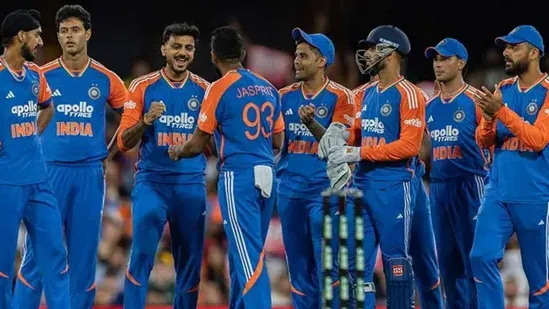
Indian mystery spinner Varun Chakravarthy has revealed the intense mental strain he experienced during the Indian Premier League, admitting that the pressure of performing on cricket’s most commercially powerful stage once led to panic attacks. His candid remarks highlight the psychological burden faced by athletes competing in a high-stakes tournament that combines global attention, massive financial investment, and relentless scrutiny. As the IPL continues to expand as a multibillion-rupee sports enterprise, Chakravarthy’s experience has reignited conversations around mental health, player welfare, and the evolving responsibilities of franchises in supporting athletes beyond their on-field performance.
A Rare Admission From the IPL Arena
Professional athletes often project confidence and resilience, yet Varun Chakravarthy recently offered an unusually candid perspective on the emotional pressures associated with elite cricket. Reflecting on his early experiences in the Indian Premier League, the spinner disclosed that the intensity of expectations once triggered panic attacks during the tournament.
Such admissions remain relatively uncommon in professional cricket, where discussions traditionally center on physical performance and tactical strategy. Chakravarthy’s comments therefore represent a significant moment in the sport’s evolving conversation about mental health.
The High-Stakes Environment of the IPL
The Indian Premier League has transformed cricket into a global entertainment industry, generating billions of rupees through broadcasting rights, sponsorship agreements, and franchise valuations. While the tournament offers extraordinary financial rewards and career opportunities, it also creates an environment of relentless pressure.
Players operate under constant public scrutiny, with every delivery analyzed by commentators, analysts, and millions of fans across digital platforms. For emerging players such as Varun Chakravarthy, the sudden surge in attention can be both exhilarating and overwhelming.
The transition from relative anonymity to international recognition can intensify psychological stress, particularly during the demanding schedule of an IPL season.
Understanding Panic Attacks in Elite Sport
Panic attacks typically involve sudden episodes of intense anxiety accompanied by physical symptoms such as rapid heartbeat, shortness of breath, and difficulty concentrating. For athletes competing at the highest level, these experiences can interfere with focus and performance.
In the case of Varun Chakravarthy, the phenomenon reflected the broader challenges faced by players adjusting to the intense spotlight of the Indian Premier League. The tournament’s unique blend of financial stakes, global media coverage, and passionate fan engagement can amplify pressure in ways rarely seen in other cricket competitions.
Growing Awareness of Mental Health in Cricket
In recent years, professional sports organizations have begun placing greater emphasis on psychological well-being. Teams competing in the Indian Premier League increasingly employ sports psychologists and mental-performance specialists to help athletes manage stress and maintain emotional balance.
Experts argue that such support systems are essential in modern franchise cricket, where players face not only competitive challenges but also commercial obligations and media exposure. The willingness of players like Varun Chakravarthy to discuss their struggles has contributed to a broader cultural shift toward openness and awareness.
The Business Case for Player Well-Being
Beyond the humanitarian dimension, mental health support also carries strategic importance for franchises. In a league where teams invest substantial sums in player contracts and performance infrastructure, safeguarding athletes’ well-being directly influences long-term results.
For organizations operating within the Indian Premier League, maintaining a supportive environment can enhance player retention, improve on-field performance, and strengthen brand reputation. As cricket evolves into a sophisticated sports business, holistic athlete management is increasingly viewed as a competitive advantage.
A Turning Point in the Conversation
By speaking openly about his experiences, Varun Chakravarthy has helped highlight an issue that resonates far beyond the cricket field. His reflections remind observers that behind the glamour and financial scale of the Indian Premier League are individuals navigating intense psychological demands.
As discussions about mental health continue to gain prominence across global sport, Chakravarthy’s story may encourage greater transparency and stronger support systems within professional cricket. In an industry where performance and pressure are inseparable, such conversations could shape the future culture of the game.
Comments