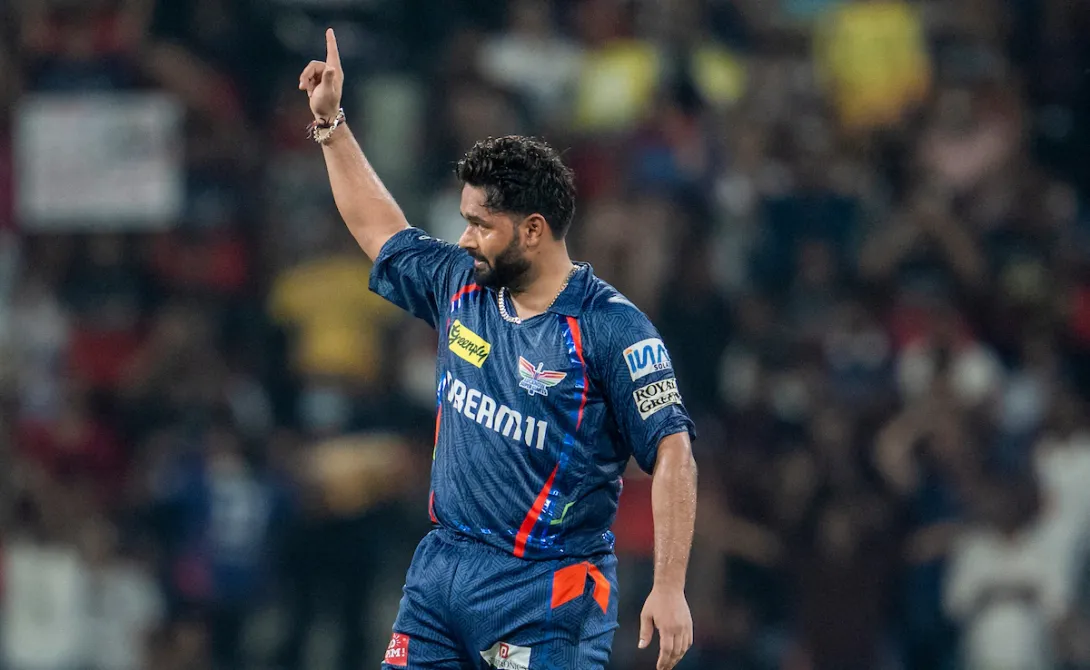
The 2026 season of the Indian Premier League represents a pivotal moment for Rishabh Pant, whose record-breaking valuation and leadership role have intensified scrutiny across the cricketing world. As captain of the Lucknow Super Giants, Pant carries the responsibility of justifying the franchise’s substantial Rs. 27 crore investment while guiding the team toward a stronger campaign. Following an inconsistent previous season, the organization has introduced strategic changes to its batting structure and leadership dynamics. IPL 2026 therefore emerges not only as a sporting contest but also as a critical test of player valuation, leadership accountability, and financial decision-making within the rapidly expanding global economy of franchise cricket.
A Record-Breaking Investment in Franchise Cricket
When the Lucknow Super Giants secured Rishabh Pant for Rs. 27 crore, the deal immediately drew attention across the global cricket industry. In financial terms, the acquisition signaled a bold strategic commitment by the franchise, positioning Pant as both the face of the team and a long-term commercial asset.
Modern franchise leagues such as the Indian Premier League operate within a sophisticated economic ecosystem where players represent far more than on-field performers. High-profile athletes drive television ratings, sponsorship partnerships, merchandise sales, and global brand recognition. Pant’s dynamic batting style and charismatic leadership have made him one of the most marketable cricketers of his generation, reinforcing the franchise’s confidence in its record investment.
Performance Pressure Following a Difficult Campaign
Despite the optimism surrounding his acquisition, the previous season presented significant challenges for both Pant and the team. The Lucknow Super Giants struggled to maintain consistency throughout the tournament, ultimately finishing outside the playoff positions.
For Pant, the numbers fell short of expectations typically associated with a marquee player commanding a Rs. 27 crore valuation. While he demonstrated flashes of aggressive stroke play, critics argued that the team lacked stability during crucial moments of the competition.
In a league as competitive as the Indian Premier League, performance metrics are scrutinized intensely. Investors, franchise owners, and supporters alike view elite players as catalysts capable of transforming the fortunes of their teams.
Strategic Recalibration Ahead of IPL 2026
Recognizing the need for structural adjustments, the management of the Lucknow Super Giants has introduced a series of tactical changes ahead of the 2026 campaign. One of the most significant decisions involves promoting Rishabh Pant to the No. 3 position in the batting order.
This move reflects a broader trend in T20 cricket: maximizing the influence of elite batsmen by allowing them to face more deliveries. By entering earlier in the innings, Pant will have greater control over the tempo of the game, enabling him to stabilize the batting lineup while maintaining an aggressive scoring rate.
The strategy also creates flexibility within the middle order, allowing power hitters to assume specialized finishing roles later in the innings.
Leadership Responsibilities in a High-Stakes League
Captaining a franchise in the Indian Premier League requires a complex combination of tactical acumen, emotional intelligence, and media management. For Rishabh Pant, leadership responsibilities extend beyond match-day decisions.
Team captains must maintain morale in a diverse dressing room that includes international stars, emerging domestic players, and high-value signings. They also operate under relentless public scrutiny in a tournament followed by hundreds of millions of viewers worldwide.
Pant’s leadership journey reflects a broader evolution in modern cricket, where captains function as strategic executives within high-performance sporting enterprises.
The Economic Stakes of IPL 2026
From a financial perspective, the 2026 edition of the Indian Premier League carries significant implications for both the player and the franchise. A successful campaign would validate the Rs. 27 crore investment and reinforce the franchise’s long-term vision of building a competitive team around Pant.
Conversely, continued inconsistency could intensify scrutiny regarding the financial strategies that shape player acquisitions in franchise sport.
The IPL’s commercial ecosystem—driven by broadcast rights, sponsorship deals, and digital engagement—ensures that individual player narratives often influence broader economic discussions within the league.
A Defining Chapter in Pant’s Franchise Career
As IPL 2026 unfolds, the spotlight remains firmly on Rishabh Pant. For the captain of the Lucknow Super Giants, the season represents more than a sporting challenge; it is an opportunity to reaffirm his reputation as one of cricket’s most influential figures.
In the high-pressure environment of the Indian Premier League—where financial investment, leadership expectations, and competitive ambition converge—the coming months could shape Pant’s legacy in franchise cricket for years to come.
A strong performance would not only elevate his standing among the league’s elite but also demonstrate how strategic investment in star talent can transform a franchise’s competitive trajectory.
Comments