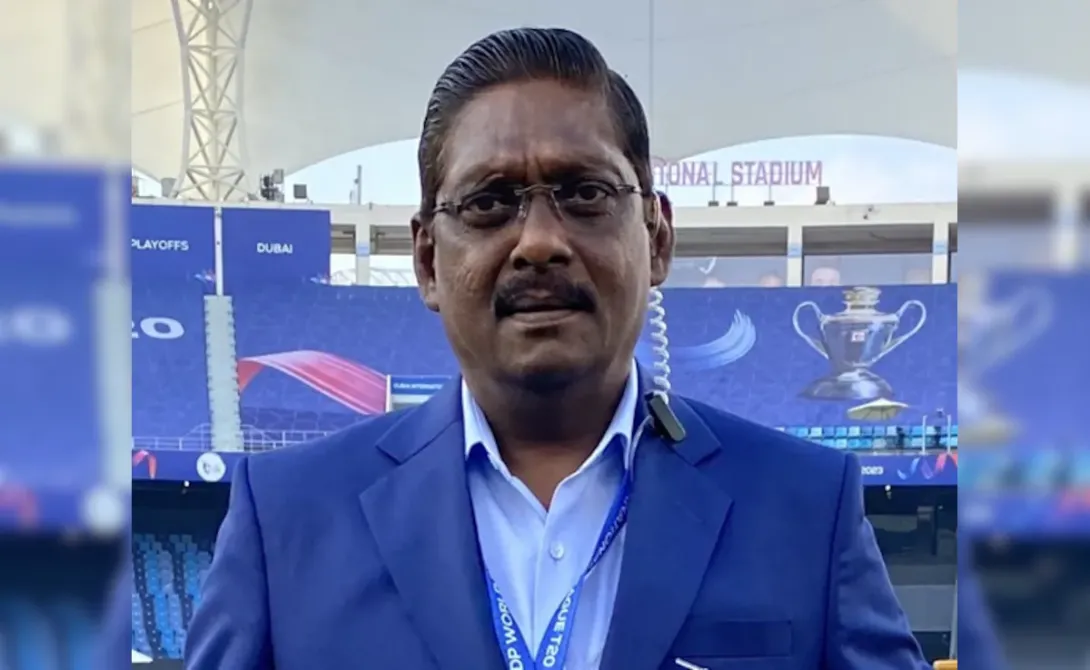
Former India leg-spinner and respected cricket analyst Laxman Sivaramakrishnan has stepped away from his commentary responsibilities associated with the Board of Control for Cricket in India (BCCI), closing a long chapter in Indian cricket broadcasting. Known for his articulate analysis and deep understanding of spin bowling, Sivaramakrishnan became a recognizable voice in match coverage across domestic and international tournaments. His retirement from the commentary box reflects a gradual transition within cricket media, where veteran voices are increasingly making way for a new generation of analysts. The move marks the end of a significant broadcasting era while highlighting the evolving landscape of sports media in India.
A Long-Standing Voice in Indian Cricket Broadcasting
The decision by Laxman Sivaramakrishnan to retire from commentary roles linked to the Board of Control for Cricket in India represents a notable shift in the country’s cricket broadcasting ecosystem. For years, Sivaramakrishnan’s voice accompanied millions of fans during high-profile domestic tournaments and international series.
As a commentator, he was widely admired for his ability to translate complex tactical nuances into clear, engaging analysis. His deep understanding of the mechanics of spin bowling often added valuable insight to televised matches, enriching the viewing experience for audiences ranging from casual spectators to seasoned cricket followers.
With his departure, Indian cricket broadcasting bids farewell to one of its most experienced analysts.
From International Cricketer to Media Analyst
Before establishing himself in broadcasting, Laxman Sivaramakrishnan gained recognition as a talented leg-spinner during the 1980s. His performances for India during international tours helped him build a reputation as a technically skilled bowler capable of exploiting challenging pitch conditions.
Following the conclusion of his playing career, Sivaramakrishnan transitioned into media commentary—an increasingly common pathway for former cricketers seeking to remain connected to the sport. His on-field experience provided authenticity and credibility, enabling him to analyze match situations with authority.
Over time, he became a regular presence during coverage of major events overseen by the Board of Control for Cricket in India, including domestic competitions and international fixtures hosted in the country.
Changing Dynamics in Cricket Media
Cricket broadcasting has undergone dramatic transformation in the past two decades. Advances in digital streaming, data analytics, and high-definition television have reshaped how the sport is presented to audiences worldwide.
Modern commentary teams often integrate statisticians, tactical analysts, and former players from multiple generations. The growing emphasis on digital engagement and multilingual coverage has also expanded opportunities for newer commentators.
In this evolving landscape, the retirement of veteran broadcasters such as Sivaramakrishnan symbolizes a generational transition in cricket media.
The Expanding Commercial Ecosystem of Cricket
The rapid commercialization of cricket—particularly through tournaments such as the Indian Premier League—has significantly elevated the role of sports broadcasting. Media rights deals worth billions of rupees have transformed cricket coverage into a sophisticated entertainment industry.
Commentators play a crucial role in this ecosystem, shaping narratives, explaining tactical developments, and maintaining audience engagement throughout long tournament schedules.
Veterans like Sivaramakrishnan helped lay the foundation for the professionalism that now defines modern cricket broadcasting.
A Lasting Legacy in the Commentary Box
Throughout his broadcasting career, Laxman Sivaramakrishnan earned widespread respect for his thoughtful commentary and ability to explain the technical intricacies of spin bowling. His insights frequently provided viewers with a deeper appreciation of the strategic dimensions of cricket.
Colleagues and cricket administrators have often credited him with elevating the quality of analytical commentary during a period when televised cricket was rapidly expanding in India.
While stepping away from BCCI-associated commentary roles, Sivaramakrishnan’s experience and perspective are expected to remain influential within cricket circles.
Conclusion
The retirement of Laxman Sivaramakrishnan from commentary assignments connected to the Board of Control for Cricket in India marks the end of an influential era in Indian cricket broadcasting. His journey from international cricketer to respected analyst highlights the enduring relationship between playing expertise and sports journalism.
As cricket media continues to evolve with new technologies and emerging voices, Sivaramakrishnan’s contributions will remain an important part of the sport’s broadcasting history—an enduring reminder of how insightful commentary can deepen the audience’s connection to the game.
Comments