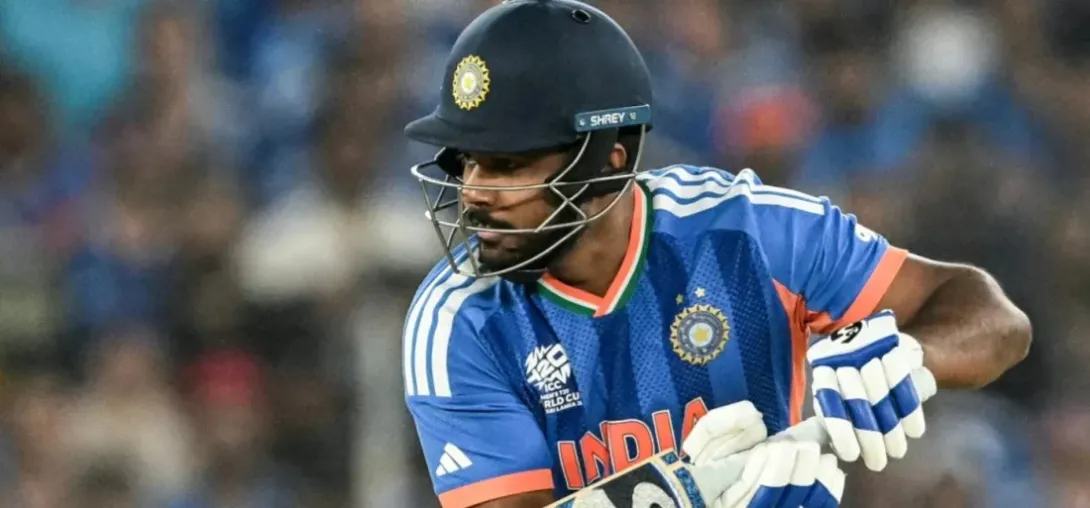
Indian parliamentarian and author Shashi Tharoor recently reflected on a memorable moment from the early career of cricketer Sanju Samson, recalling a meeting when the player was still an emerging talent. The anecdote highlights Samson’s early promise and the importance of recognition during an athlete’s formative years. Today, Samson stands among India’s prominent cricketing figures, having built a reputation through domestic cricket and the lucrative Indian Premier League. Tharoor’s recollection offers insight into how early encouragement and regional pride can shape sporting journeys in a country where cricket has become both a cultural institution and a powerful economic enterprise.
A Nostalgic Reflection From Public Life
Indian politician and author Shashi Tharoor recently shared a personal recollection of meeting a young Sanju Samson long before the cricketer rose to national prominence. The memory offers a rare glimpse into the early days of a player who would later become a recognized figure in India’s competitive cricket landscape.
At the time of their meeting, Samson was still developing his skills and reputation within the domestic cricket system. Encounters such as these, seemingly routine in the moment, often acquire deeper meaning once an athlete achieves national recognition.
For Tharoor, the memory underscores how early talent can be identified even before the broader public takes notice.
The Evolution of a Modern Cricket Talent
Born in Kerala, Samson steadily progressed through India’s demanding domestic cricket structure, building a reputation for elegant stroke play and reliable wicketkeeping. His consistent performances eventually opened the door to opportunities at higher levels of competition.
Samson later became a central figure in the Rajasthan Royals franchise within the Indian Premier League, one of the world’s most commercially successful cricket tournaments. The league has redefined the economics of the sport, generating billions of rupees through media rights, sponsorship deals, and global broadcasting partnerships.
Within this high-pressure environment, Samson has demonstrated leadership qualities and resilience, reinforcing his reputation as one of the most promising cricketers of his generation.
The Role of Encouragement in Athletic Development
Tharoor’s recollection illustrates an important aspect of sporting success: the impact of early encouragement and recognition. Young athletes often rely on validation from mentors, administrators, and community leaders to sustain confidence during their developmental years.
In India’s vast cricket ecosystem, thousands of players compete for limited professional opportunities. A moment of acknowledgment from influential figures can therefore serve as a powerful motivational catalyst.
By recalling his early interaction with Samson, Tharoor indirectly highlights the importance of supporting emerging talent before it reaches the national spotlight.
Cricket’s Expanding Economic Ecosystem
The story also reflects the broader transformation of cricket in India into a significant economic sector. Organizations such as the Board of Control for Cricket in India oversee a multi-billion-rupee industry driven by broadcasting rights, sponsorship agreements, and digital media engagement.
For players like Samson, modern cricket careers now extend beyond on-field performance. Commercial endorsements, brand partnerships, and media visibility have become integral elements of a professional athlete’s portfolio.
This intersection of sport, commerce, and public influence explains why stories about players’ early journeys often attract renewed attention once they achieve national success.
Regional Pride and the Rise of Kerala’s Cricketing Presence
Samson’s emergence has also carried symbolic significance for Kerala, a region that historically produced fewer international cricketers compared with traditional powerhouses such as Mumbai or Karnataka.
His achievements have inspired a new generation of aspiring players across the state. For political leaders like Tharoor, highlighting Samson’s journey also reflects a sense of regional pride and recognition for the expanding talent pool emerging from southern India.
Such narratives illustrate how cricket’s growth continues to diversify the geographic origins of India’s sporting stars.
A Story That Reflects the Journey of Talent
Ultimately, Tharoor’s recollection of meeting the young Samson offers more than a nostalgic anecdote. It provides a reminder that the making of a professional athlete often begins with modest encounters, quiet encouragement, and years of disciplined effort.
As Sanju Samson continues to build his career in both international cricket and the lucrative franchise ecosystem, the memory shared by Shashi Tharoor serves as a testament to how early promise can evolve into national prominence.
In a country where cricket commands immense cultural and financial influence, stories like these highlight the human dimension behind sporting success.
Comments