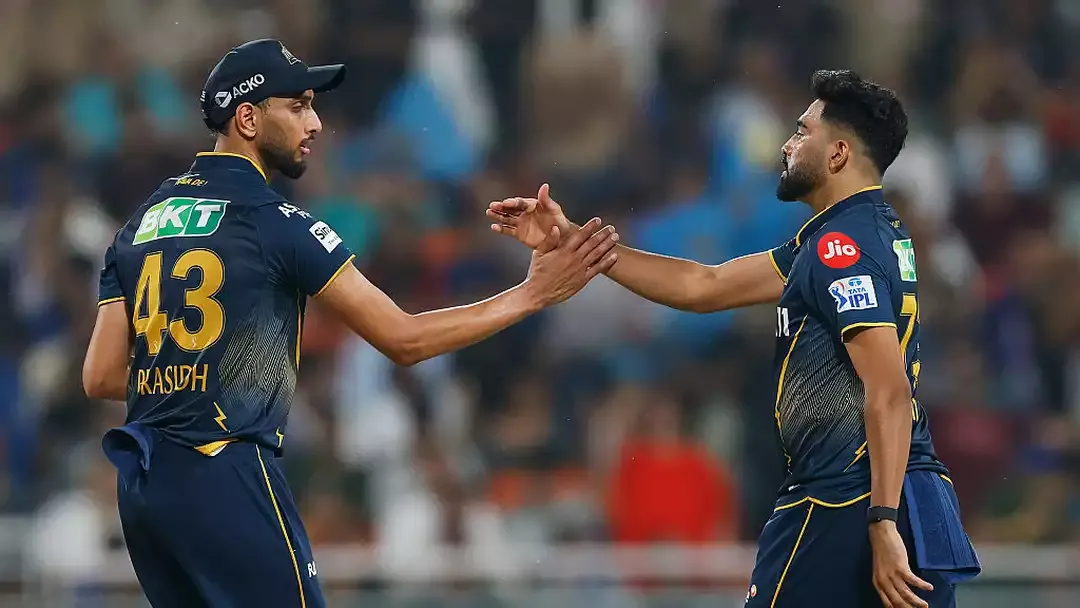
India's team management has opted to rest fast bowler Mohammed Siraj from the upcoming T20I tours of Ireland and England as part of a broader workload management strategy ahead of a demanding international season. The decision reflects the increasing importance of player fitness and injury prevention in modern cricket, particularly for frontline fast bowlers who face heavy workloads across formats. Prasidh Krishna has been drafted into the squad as Siraj's replacement, creating an opportunity for the pace bowler to strengthen his position in the national setup. The move underlines India's long-term planning as preparations intensify for major international assignments.
India Adopts Long-Term Approach With Siraj Rest Decision
India's cricket leadership has chosen caution over short-term gains by resting premier fast bowler Mohammed Siraj from the forthcoming T20 International tours of Ireland and England.
The decision comes after consultations between medical personnel and team management, who concluded that the fast bowler would benefit from a structured recovery period ahead of an extended international campaign. With multiple bilateral series and major tournaments on the horizon, preserving the fitness of key players has become a central component of squad planning.
The move highlights the increasingly scientific approach adopted by modern cricket teams, where workload management is considered as important as on-field performance.
Workload Management Takes Center Stage
Fast bowlers remain among the most physically taxed athletes in professional sport. The combination of international commitments, franchise leagues and year-round cricket schedules places significant stress on players, increasing the risk of fatigue and injury.
Siraj has been one of India's most heavily utilized bowlers in recent seasons. His ability to contribute across formats has made him a vital component of the national setup, but it has also increased the demands placed on his body.
Team officials appear determined to ensure that the pacer remains fully fit for more significant assignments later in the year. Rather than risking burnout during a relatively short T20I window, management has opted for a preventive strategy designed to maximize his availability over the longer term.
The decision reflects a growing trend among elite cricketing nations to carefully monitor player workloads and avoid unnecessary physical strain.
Prasidh Krishna Earns Fresh Opportunity
Replacing Siraj in the squad is Prasidh Krishna, a bowler whose career has been marked by flashes of brilliance and periods of injury-related setbacks.
The tall right-arm pacer arrives with valuable domestic and franchise experience and will view the upcoming tours as an important opportunity to re-establish himself within India's white-ball plans.
Although his international T20 appearances remain limited, Prasidh has consistently demonstrated his ability to generate pace and bounce, qualities that can prove effective in overseas conditions.
His inclusion also reflects the depth of India's fast-bowling resources, allowing selectors to rotate players without significantly compromising competitiveness.
IPL Workload Influences Selection Decisions
The workload disparity between Siraj and Prasidh offers insight into the reasoning behind the selection change.
Siraj featured in all 17 matches for his franchise during the recently concluded Indian Premier League season, maintaining a heavy bowling workload throughout the tournament. He finished the campaign with 19 wickets and played a key role in his team's progress.
Prasidh, meanwhile, participated in fewer matches during the competition, resulting in a comparatively lighter workload.
Both bowlers were also involved in India's recent Test victory over Afghanistan, further adding to their commitments. Given the cumulative demands of franchise and international cricket, selectors appear keen to ensure that frontline bowlers receive adequate recovery time.
Building Toward a Demanding International Season
India's cricket calendar remains one of the busiest in the global game, with multiple overseas tours and major tournaments scheduled over the next 18 months.
Managing player fitness has therefore become a strategic priority rather than a reactive measure. The focus is not only on immediate performance but also on maintaining squad stability throughout an extended cycle of international cricket.
For India, preserving the availability of experienced fast bowlers such as Siraj could prove crucial as the team prepares for future global competitions and high-profile bilateral contests.
The decision also signals confidence in the country's expanding pace-bowling pool, which allows selectors to rotate personnel without significantly weakening the squad.
Competition for Places Intensifies
Prasidh's inclusion adds another layer of competition within India's fast-bowling ranks. Strong performances in Ireland and England could strengthen his case for future selections and provide selectors with additional options across formats.
At the same time, Siraj's temporary absence should not be viewed as a setback but rather as part of a carefully managed strategy aimed at extending his effectiveness over the long term.
Modern cricket increasingly demands that teams balance performance, fitness and player longevity. India's latest selection decision reflects that evolving reality.
Outlook
The decision to rest Mohammed Siraj underscores India's commitment to safeguarding key players ahead of a demanding international schedule. While Prasidh Krishna receives a valuable opportunity to showcase his abilities, the broader message is clear: long-term player fitness now sits at the heart of team planning.
As international cricket continues to become more demanding, proactive workload management is likely to play an increasingly important role in determining both player careers and team success. For India, preserving the fitness of its premier fast bowlers could prove as valuable as any tactical decision made on the field.
Comments