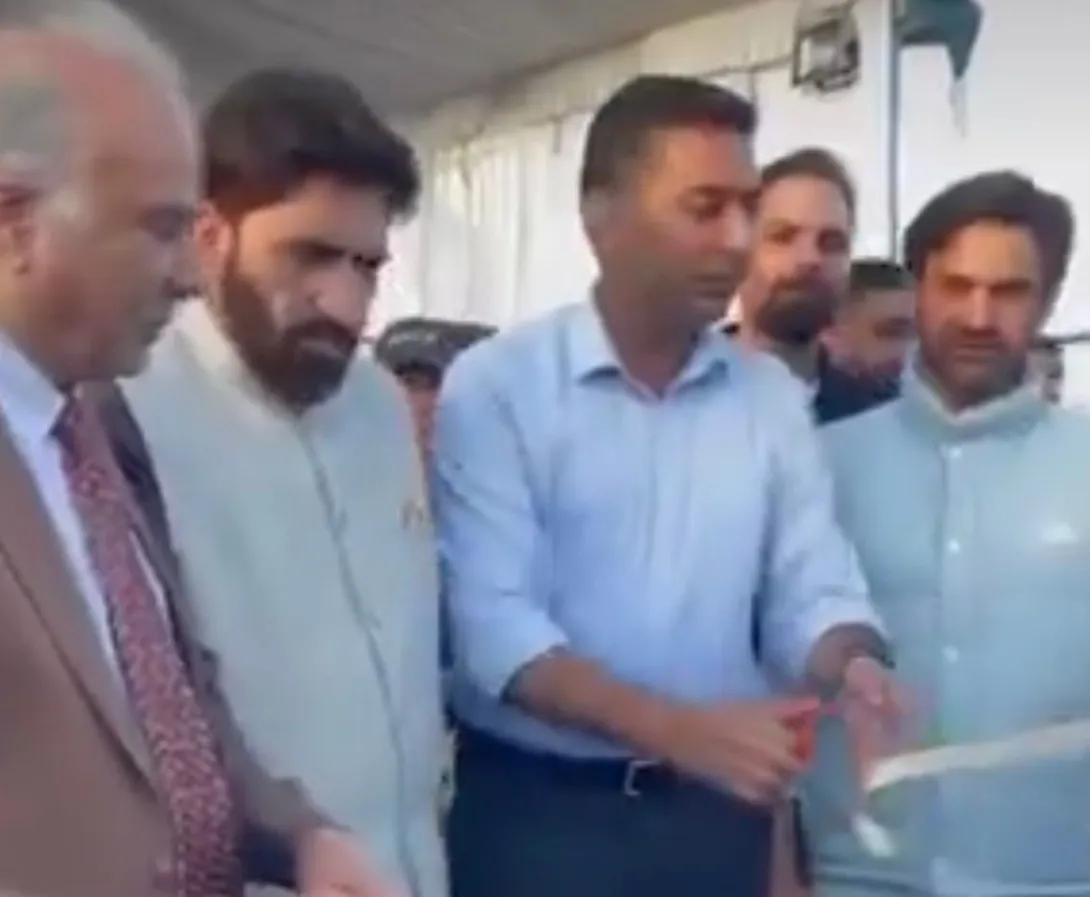
The inauguration of the Pulwama Kabaddi League signals a renewed push toward grassroots sports development in Pulwama, blending cultural preservation with youth engagement. Led by Shahid Iqbal Choudhary, the initiative brings together eight teams competing over a week, reflecting growing institutional support for regional sporting ecosystems. Beyond competition, the league underscores the economic and social value of traditional sports like Kabaddi. As India continues to diversify its sports economy, localized leagues are emerging as critical platforms for talent identification, community building, and long-term development.
Strengthening Grassroots Sports Infrastructure
The launch of the Pulwama Kabaddi League represents a strategic effort to deepen sports participation at the district level. Inaugurated by Shahid Iqbal Choudhary, Commissioner Secretary for Youth Services and Ports, the event was attended by local legislators and officials from the Jammu and Kashmir Sports Council.
Such initiatives reflect a broader policy direction aimed at decentralizing sports development. By creating structured competitions in smaller regions, authorities are working to expand access, improve talent identification, and build a sustainable pipeline of athletes.
Kabaddi: Tradition Meets Modern Competition
Kabaddi, a sport deeply embedded in India’s cultural fabric, is experiencing a resurgence through organized league formats. The Pulwama Kabaddi League exemplifies how traditional games can be modernized to appeal to contemporary audiences while preserving their heritage value.
Choudhary emphasized the sport’s role in shaping discipline, teamwork, and resilience among youth—qualities that extend beyond athletics into social and economic life. The participation of eight teams underscores local enthusiasm and highlights the sport’s accessibility, requiring minimal infrastructure compared to other disciplines.
Youth Engagement and Community Development
At its core, the league is designed to channel youth energy into structured, positive activities. Organized sports have long been recognized as tools for social cohesion, particularly in regions where community engagement is essential for stability and growth.
From a development perspective, such events also stimulate local economic activity. Increased footfall, small business participation, and temporary employment opportunities contribute to micro-level economic gains, reinforcing the broader value of sports as a development instrument.
Institutional Backing and Policy Alignment
The involvement of the Jammu and Kashmir Sports Council signals strong institutional backing for the initiative. Government support remains a critical factor in scaling grassroots programs, particularly in regions where private investment is still emerging.
This approach aligns with national objectives to broaden India’s sports base. By focusing on district-level competitions, policymakers aim to identify talent early and provide pathways to higher levels of competition, including state and national representation.
Economic and Strategic Implications
While the financial scale of local leagues may not rival national tournaments, their long-term economic impact is substantial. Grassroots competitions serve as entry points for sponsorship, brand visibility, and community-driven investment.
Moreover, promoting traditional sports like kabaddi offers unique branding opportunities rooted in cultural identity. As India’s sports economy expands, such initiatives can evolve into commercially viable platforms, attracting both public and private sector participation.
Conclusion: A Model for Inclusive Sports Growth
The Pulwama Kabaddi League stands as a testament to the transformative potential of grassroots sports initiatives. By combining cultural preservation with structured competition, the league not only nurtures talent but also strengthens community bonds.
As India continues to invest in its sports ecosystem, localized efforts like this will play a pivotal role in shaping a more inclusive and diversified athletic landscape—one where opportunity extends beyond metropolitan centers and into the heart of regional communities.
Comments