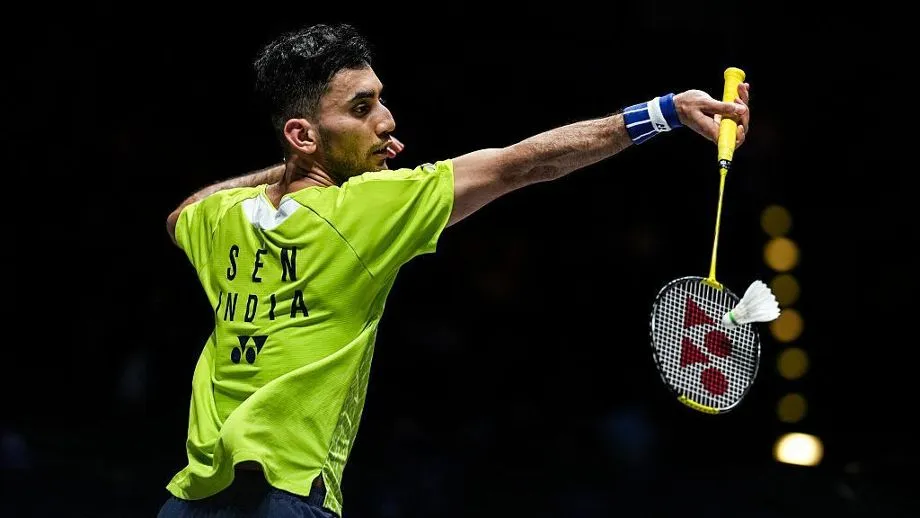
India’s sporting landscape in 2026 is defined by scale, intensity, and global ambition. With marquee events such as the Commonwealth Games and Asian Games, alongside two editions of the Chess World Championships, the year marks a significant inflection point for the nation’s athletic ecosystem. April, in particular, stands out as a densely packed month of competitions across disciplines. In this fast-moving environment, platforms like ESPN provide critical aggregation of news, scores, and analysis, helping audiences navigate an increasingly complex and commercially vibrant sports economy.
A Defining Year for Indian Sports
The convergence of premier global sporting events in 2026 underscores India’s evolving stature in international athletics. Participation in the Commonwealth Games and the Asian Games offers Indian athletes a dual opportunity: to compete at elite levels and to reinforce the country’s reputation as a rising sporting force. These platforms are not merely competitive arenas but also catalysts for economic activity, driving sponsorship inflows, media rights valuations, and brand partnerships.
Simultaneously, the hosting and prominence of two Chess World Championships highlight India’s intellectual dominance in the sport. The country’s consistent production of elite grandmasters has transformed chess into a strategic asset, enhancing India’s soft power while contributing to a diversified sports portfolio.
April’s Congestion: Opportunity and Complexity
April emerges as one of the most demanding months in the sporting calendar, characterized by a concentration of domestic leagues, international fixtures, and ranking tournaments. This clustering reflects the broader globalization of sports, where overlapping schedules are increasingly common due to commercial imperatives and broadcast demands.
While such density maximizes fan engagement and advertising revenues, it also introduces operational challenges. Athletes face heightened physical and mental strain, while organizers must navigate logistical complexities. For investors and sponsors, however, this period represents a high-visibility window to capture audience attention and drive brand recall.
Media Aggregation in a Fragmented Landscape
In a saturated information ecosystem, the role of centralized sports coverage has become indispensable. ESPN’s daily Indian sports blog exemplifies this shift, offering a consolidated stream of updates, including live scores, schedules, results, and expert commentary.
From a business standpoint, such aggregation enhances user retention and engagement, aligning with digital consumption trends that prioritize immediacy and accessibility. It also opens avenues for monetization through targeted advertising and subscription models, reflecting the broader transformation of sports media into a data-driven industry.
Economic and Strategic Implications
The packed 2026 calendar carries significant implications for India’s sports economy. Increased global participation is expected to elevate broadcast revenues, stimulate grassroots investments, and attract multinational sponsors. Moreover, sustained exposure to international competition can accelerate performance benchmarks, fostering a culture of excellence.
However, this growth trajectory necessitates strategic planning. Infrastructure development, athlete welfare programs, and efficient scheduling will be critical to sustaining momentum. Without these, the risk of burnout and diminishing returns could offset the gains achieved through expanded participation.
Conclusion: Navigating Growth with Precision
India’s sporting journey in 2026 reflects both ambition and complexity. The alignment of major global events with a densely packed domestic schedule signals a maturing ecosystem poised for long-term growth. Yet, the path forward will require careful calibration—balancing commercial interests with athlete sustainability and operational efficiency.
As audiences engage with this dynamic landscape, the importance of reliable, curated information cannot be overstated. In this context, structured sports journalism and analytical insight will remain central to shaping informed discourse and sustaining the momentum of Indian sports on the global stage.
Comments