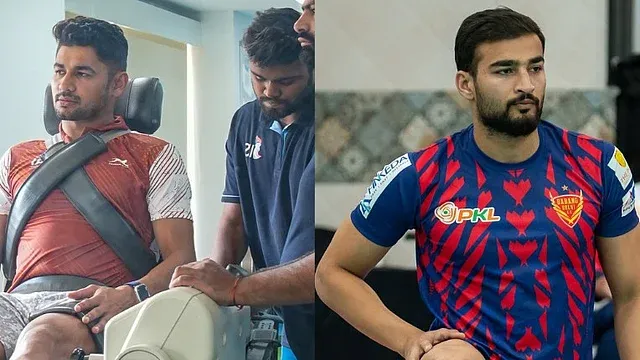
India’s kabaddi campaign for the 2026 Asian Games has officially commenced with a structured preparatory camp focused on strength and conditioning. A 45-member pool of probables recently completed an intensive training program, marking the first phase of a long-term performance strategy. Conducted at a leading high-performance facility, the camp reflects a shift toward scientific training and data-driven athlete development. With additional camps expected before final squad selection, the initiative underscores India’s commitment to maintaining its dominance in kabaddi while adapting to evolving competitive standards and performance expectations in international sport.
Early Momentum in Asian Games Preparation
India has initiated its build-up to the Asian Games 2026 with a clear focus on structured preparation and long-term performance optimization. The road to the Games in Aichi–Nagoya began with the successful completion of the first national training camp, signaling intent and discipline within the kabaddi setup.
This early start highlights the importance of proactive planning in high-performance sport, where preparation cycles often determine competitive outcomes.
Strength and Conditioning at the Core
The initial camp, held between March 27 and April 2, brought together 45 probables for an intensive strength and conditioning (S&C) program at the Inspire Institute of Sport in Bellary.
S&C training has become a cornerstone of modern kabaddi, focusing on building endurance, agility, and injury resistance. The emphasis on physical conditioning reflects an evolution in training philosophy, where scientific methodologies and performance analytics are increasingly integrated into athlete preparation.
Expanding the Talent Pool
The decision to begin with a 45-member squad demonstrates a strategic approach to talent identification and selection. By casting a wider net, selectors can evaluate a diverse range of players before narrowing down to the final squad.
This model enhances internal competition, ensuring that only the most consistent and adaptable athletes progress through the selection pipeline. It also provides opportunities for emerging players to showcase their capabilities at the national level.
Multi-Phase Training Strategy
The completion of the first camp marks the beginning of a phased preparation plan. Additional camps are expected in the coming months, each designed to address specific aspects of performance, including tactical execution, match simulation, and team cohesion.
Such a structured approach aligns with global best practices in elite sport, where preparation is segmented into measurable phases to optimize outcomes. This method allows coaching staff to monitor progress and fine-tune strategies as the tournament approaches.
Kabaddi’s Strategic and Commercial Significance
Kabaddi remains one of India’s most successful disciplines at the Asian Games, making it a key contributor to the country’s medal tally. Beyond sporting success, the sport has witnessed significant commercial growth, driven by professional leagues and increased viewership.
Sustained international performance plays a crucial role in maintaining this momentum. Strong results at events like the Asian Games enhance the sport’s market value, attract sponsorships, and encourage grassroots participation.
Conclusion: Building Toward Sustained Dominance
India’s structured approach to preparing for the 2026 Asian Games reflects a maturing sports ecosystem that prioritizes planning, discipline, and performance science. The completion of the initial training camp is a foundational step in a broader strategy aimed at achieving excellence.
As the selection process advances, the focus will remain on building a balanced and resilient squad capable of performing under pressure. In a sport where preparation often defines success, India’s methodical roadmap could prove instrumental in sustaining its dominance on the continental stage.
Comments