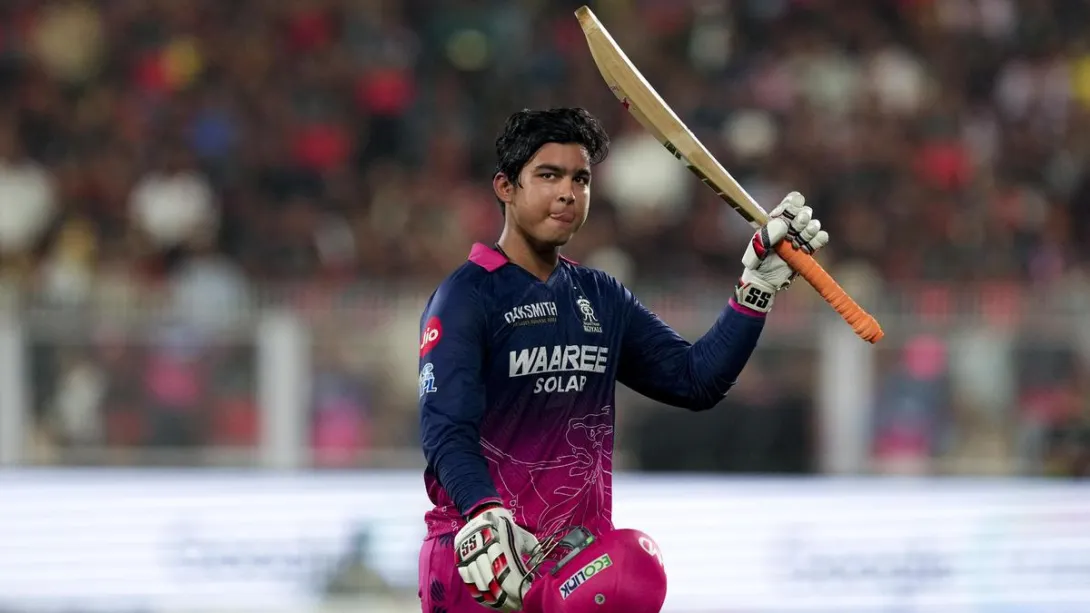
Vaibhav Sooryavanshi has emerged as a noteworthy addition to Royal Challengers Bengaluru, reflecting the franchise’s evolving focus on long-term talent development. In the high-stakes ecosystem of the Indian Premier League, where player acquisitions often command multi-crore valuations, investing in emerging players offers both sporting and financial advantages. Sooryavanshi’s inclusion highlights a broader strategic recalibration, balancing immediate performance goals with sustainable growth. As franchises increasingly prioritize depth and adaptability, RCB’s approach underscores a forward-looking model aimed at strengthening competitiveness while optimizing resource allocation.
A Strategic Pivot Toward Youth Development
Royal Challengers Bengaluru has gradually repositioned its squad-building philosophy, placing greater emphasis on nurturing emerging talent. The integration of Vaibhav Sooryavanshi into the setup exemplifies this shift.
In a league characterized by intense competition and financial volatility, franchises are recognizing the importance of cultivating a sustainable talent pipeline. By investing in young players, RCB aims to reduce dependency on high-cost acquisitions while ensuring continuity in performance.
Vaibhav Sooryavanshi: Emerging Talent with Upside Potential
Vaibhav Sooryavanshi represents a new generation of cricketers shaped by modern training methodologies and exposure to competitive domestic circuits. His skill set—marked by adaptability and composure—aligns with the evolving demands of T20 cricket.
While still early in his career, his association with a high-profile franchise provides access to elite coaching, advanced analytics, and mentorship from experienced players. This environment is critical for accelerating development and unlocking long-term potential.
Financial Efficiency and Long-Term Value Creation
From a financial perspective, RCB’s investment in young players reflects prudent resource management. Established players in the Indian Premier League often command fees running into Rs. multi-crore brackets, placing significant pressure on franchise budgets.
In contrast, developing in-house talent offers cost efficiency while creating assets with appreciating value. A successful young player can contribute to on-field performance and generate off-field revenue through endorsements, fan engagement, and brand building.
Competitive Dynamics in the IPL Ecosystem
The Indian Premier League has evolved into a global sporting and commercial powerhouse. Within this environment, franchises must strike a balance between immediate results and strategic planning.
For Royal Challengers Bengaluru, integrating players like Sooryavanshi enhances squad depth and flexibility. It also aligns with broader industry trends, where teams increasingly prioritize versatile and adaptable players capable of performing under diverse conditions.
Development Pathways and Future Outlook
The progression of Vaibhav Sooryavanshi is expected to follow a structured pathway, combining training exposure with gradual match opportunities. This measured approach ensures that talent is nurtured without undue pressure.
For RCB, the long-term objective is to build a core group of players capable of delivering consistent performances across seasons. If successfully integrated, Sooryavanshi could evolve into a key contributor, strengthening both the team’s competitive outlook and its commercial appeal.
Conclusion
The emergence of Vaibhav Sooryavanshi within Royal Challengers Bengaluru underscores a broader transformation in franchise strategy within the Indian Premier League. By prioritizing youth development and financial efficiency, RCB is positioning itself for sustained success.
As the league continues to mature, such forward-looking approaches are likely to define competitive advantage, enabling franchises to balance performance ambitions with long-term value creation.
Comments