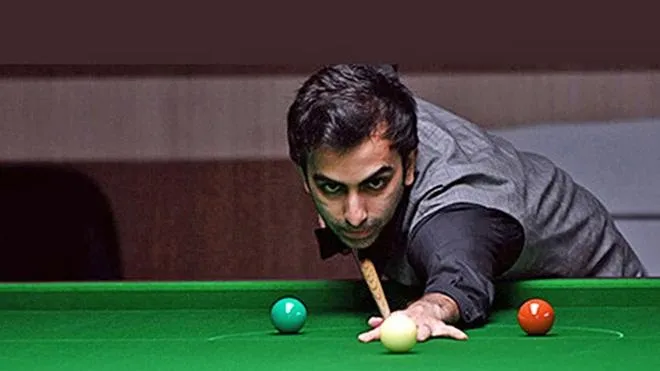
India’s premier cue sports exponent Pankaj Advani delivered a commanding performance to secure a semifinal berth in the 9-ball Pool National Championships in Ludhiana. Representing the Petroleum Sports Promotion Board (PSPB), Advani outplayed Piyush Kushwaha with a decisive 9-3 victory, underlining his versatility beyond snooker and billiards. The tournament’s semifinal lineup also features emerging contenders, highlighting a competitive domestic circuit. As India’s cue sports ecosystem evolves, such performances reflect both the sustained excellence of established champions and the growing depth of talent, with increasing implications for sponsorship, institutional investment, and global competitiveness.
Advani’s Clinical Performance Sets the Tone
In a display of precision and composure, Pankaj Advani asserted his dominance with a one-sided 9-3 victory over Piyush Kushwaha. Despite being widely recognized for his achievements in snooker and billiards, Advani showcased remarkable adaptability in the faster, more aggressive 9-ball format.
Representing PSPB, his approach combined tactical foresight with technical mastery, leaving little room for error. By controlling the pace and dictating shot selection, Advani ensured a smooth progression into the final stages of the tournament.
Semifinal Dynamics and Key Matchups
Advani is now set to face the winner of the encounter between Kushal C and Kamal Chawla in what promises to be a strategically intense semifinal clash.
In the parallel bracket, Nitin Sharma secured a 9-6 victory against Shoaib Khan, demonstrating resilience in a closely contested match. Meanwhile, S Shrikrishna delivered a dominant 9-3 win over Sumit Talwar, reinforcing his credentials as a serious title contender.
These matchups underscore the competitive balance within the tournament, where experienced players and emerging talents are vying for national recognition.
Cue Sports and Institutional Support in India
The ongoing championship highlights the role of institutional backing in shaping India’s cue sports landscape. Organizations such as PSPB have been instrumental in providing athletes with financial stability, training infrastructure, and competitive exposure.
From a business standpoint, cue sports in India are gradually attracting attention from sponsors and stakeholders. As performance standards improve and viewership grows, the sport is beginning to unlock commercial opportunities, particularly in niche markets and digital broadcasting platforms.
Strategic Implications for the Sport’s Growth
Advani’s continued success is emblematic of sustained excellence, but it also serves as a benchmark for the next generation of players. His presence in marquee tournaments enhances visibility and contributes to the sport’s credibility on both national and international stages.
Looking ahead, the increasing competitiveness of domestic tournaments is likely to drive higher standards, attract investment, and create a more structured pathway for aspiring professionals. This evolution positions cue sports as a viable contributor to India’s broader sports economy.
As the tournament progresses in Ludhiana, the narrative remains compelling: a legendary figure maintaining his dominance while a new wave of competitors signals a dynamic and promising future for Indian cue sports.
Comments