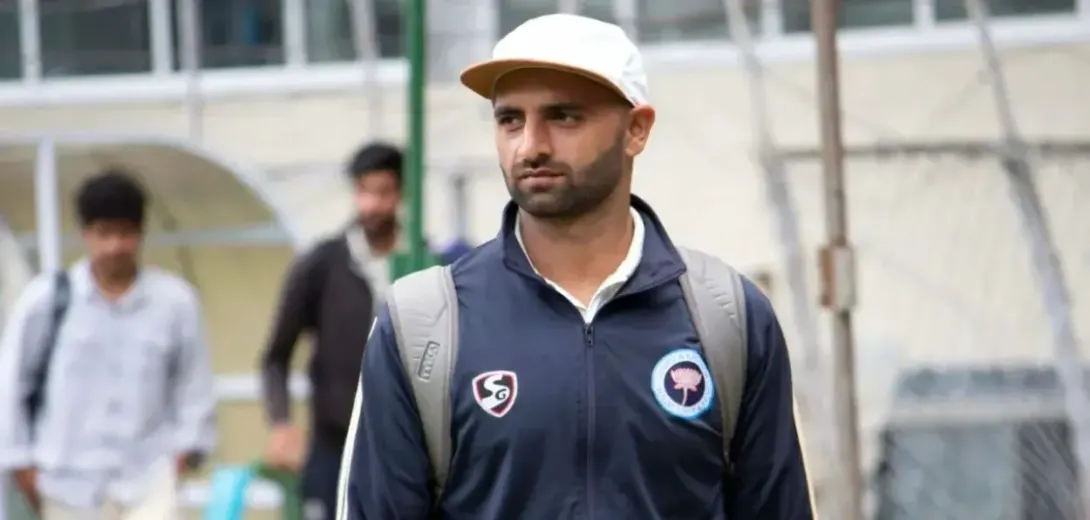
The official team rosters for the 2026 season of the Indian Premier League have been finalized, offering a clear glimpse into how franchises are preparing for one of the world’s most commercially powerful cricket tournaments. Teams have combined established international stars with emerging domestic players to create balanced squads capable of sustaining performance throughout the season. Franchises such as Mumbai Indians, Chennai Super Kings, and Royal Challengers Bengaluru have made notable adjustments. Analysts suggest these roster decisions highlight the increasing financial sophistication and strategic planning shaping modern franchise cricket.
IPL’s Expanding Economic Influence
The Indian Premier League has evolved into a multi-billion-rupee sports enterprise, attracting global investors, broadcasters, and corporate sponsors. Since its launch, the tournament has transformed cricket into a high-value entertainment product, where franchise valuations, media rights agreements, and sponsorship contracts continue to expand.
Ahead of the 2026 season, each franchise finalized its roster after navigating retention policies, auction strategies, and salary-cap considerations. These decisions provide insight into how teams allocate resources and build competitive squads within a regulated financial framework.
The roster announcements therefore represent more than sporting decisions—they reveal the economic calculations that increasingly shape the modern cricket industry.
Strategic Squad Building Across Franchises
Several teams approached the 2026 roster construction with distinct strategic priorities. Traditional powerhouses such as Mumbai Indians and Chennai Super Kings opted to retain experienced players who provide stability and leadership within the dressing room.
Meanwhile, franchises including Rajasthan Royals and Sunrisers Hyderabad emphasized youth development by integrating promising domestic cricketers into their squads.
Clubs like Royal Challengers Bengaluru focused on strengthening batting depth and power-hitting capabilities—an increasingly valuable asset in the fast-paced format of T20 cricket.
Such varied approaches reflect the diversity of competitive strategies across the league.
Financial Strategy and the Salary Cap
Roster decisions in the IPL are closely linked to financial planning. Each franchise operates under a salary cap measured in hundreds of crores of rupees, forcing teams to allocate budgets carefully while pursuing marquee players.
High-profile international cricketers often command significant investments due to their on-field performance and commercial appeal. At the same time, teams must maintain squad depth by acquiring emerging talents at relatively lower costs.
This balance between star power and financial discipline has become a defining element of the league’s operational model.
The Rising Value of Domestic Talent
A defining feature of the 2026 rosters is the growing presence of young Indian players. Franchises have expanded scouting networks across domestic competitions and grassroots cricket programs to identify future stars.
These players offer multiple advantages: they bring energy and adaptability to the field while remaining more affordable under the salary-cap structure. Over time, successful domestic recruits can evolve into core players who shape a franchise’s long-term identity.
For investors and team management alike, developing homegrown talent is increasingly viewed as both a sporting and financial asset.
Competitive Outlook for the 2026 Season
With rosters finalized, anticipation is building for what could be one of the most competitive seasons in the history of the Indian Premier League.
The combination of experienced international players, rising domestic talent, and sophisticated franchise strategies suggests a tournament where multiple teams have legitimate title aspirations. Performance analytics, injury management, and tactical flexibility will likely determine which squads maintain consistency over the long season.
As the IPL continues to expand its global footprint, the 2026 rosters highlight the intersection of sport, finance, and strategic planning—factors that now define the business of professional cricket.
Comments