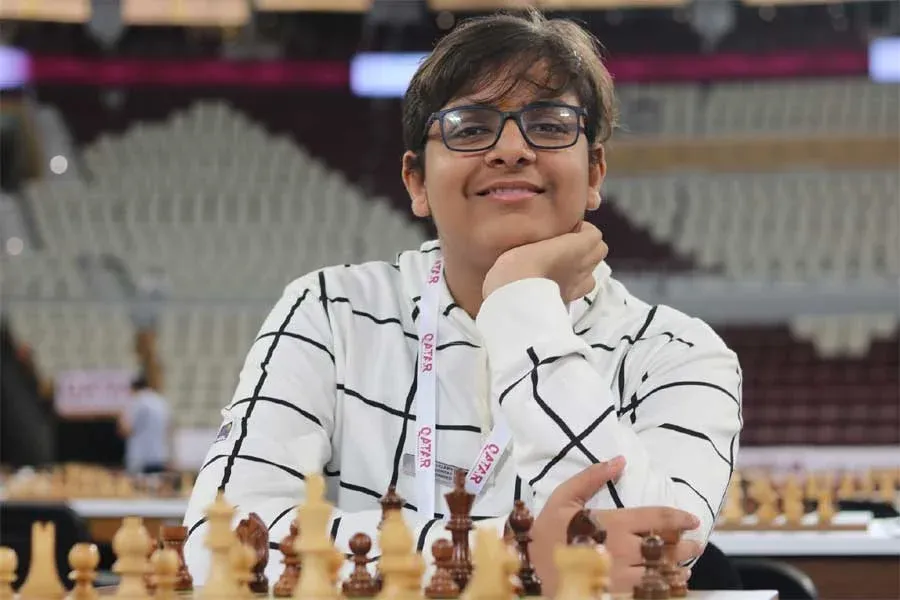
Indian chess continues to expand its national footprint as talented player Mayank Chakraborty achieves the prestigious Grandmaster title, becoming the first individual from India’s North-East region to reach this elite level. The milestone represents not only a personal triumph but also a significant development for chess in a region historically underrepresented in the sport’s national hierarchy. Experts believe Chakraborty’s achievement could accelerate investment in grassroots training, infrastructure, and competitive opportunities across the North-East. As India strengthens its position as a global chess powerhouse, this breakthrough signals a broader transformation in the country’s talent ecosystem and geographic diversity.
A Landmark Moment for Indian Chess
The rise of Mayank Chakraborty to the rank of Grandmaster marks a defining moment in the evolution of Indian chess. By securing the sport’s most prestigious title, Chakraborty has become the first player from the North-East region to join the elite ranks of global chess professionals.
The Grandmaster title, awarded by the international governing body FIDE, is widely regarded as the highest distinction in competitive chess. Achieving this honor requires exceptional skill, strategic depth, and consistent success in internationally sanctioned tournaments. Chakraborty’s accomplishment places him among an exclusive group of players recognized for their mastery of the game.
Breaking Regional Barriers
For decades, the epicenters of Indian chess development have been concentrated in metropolitan cities such as Chennai and Kolkata. These urban centers benefited from established coaching networks, sponsorship opportunities, and frequent tournaments.
Chakraborty’s achievement disrupts that long-standing geographic concentration. His success demonstrates that elite-level chess talent can emerge from regions that previously lacked the same level of institutional support. Observers say the milestone could encourage policymakers and sports administrators to channel greater resources toward chess development in the North-East.
The Demanding Path to Grandmaster Status
Earning the Grandmaster title is one of the most challenging achievements in professional chess. Under the regulations of FIDE, a player must achieve a minimum rating of 2500 and secure several Grandmaster norms in internationally recognized competitions.
Chakraborty’s journey required years of disciplined training, international exposure, and consistent high-level performances against experienced opponents. The process demands exceptional mental endurance, analytical precision, and strategic creativity—qualities that define the world’s most successful chess players.
India’s Expanding Chess Ecosystem
India has emerged as one of the fastest-growing forces in global chess over the past two decades. The country has produced an increasing number of Grandmasters, many of whom are now competing successfully in international tournaments.
Chakraborty’s rise illustrates the widening reach of this development pipeline. As digital learning platforms, online tournaments, and regional academies become more accessible, talented players from previously overlooked areas are gaining opportunities to compete at the highest level.
This broader participation strengthens India’s long-term competitiveness in global chess.
Inspiring the Next Generation
Beyond the competitive arena, Chakraborty’s accomplishment carries powerful symbolic significance. Young players across India’s North-East now have a tangible example of success at the highest level of chess.
Sports development experts believe such achievements can spark greater interest in intellectual sports within the region, encouraging schools, academies, and local governments to invest in structured training programs.
As Indian chess continues to evolve, pioneers like Mayank Chakraborty are reshaping the narrative—proving that excellence in the game is no longer confined to traditional strongholds but is emerging from every corner of the country.
Comments