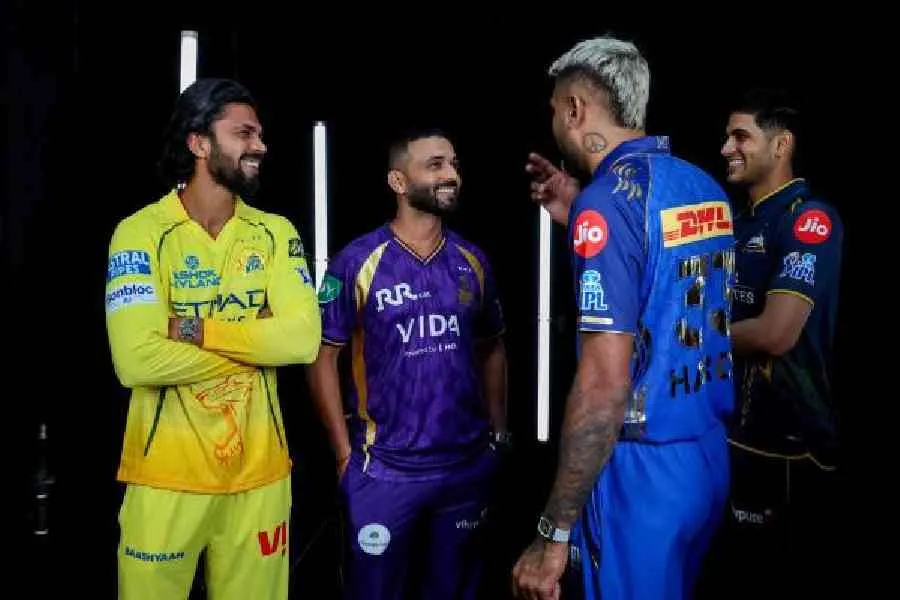
Leaders of all ten franchises in the Indian Premier League convened ahead of the 2026 season to review updated playing conditions and operational protocols that could shape the upcoming tournament. Organized by the Board of Control for Cricket in India, the captains’ meeting addressed potential rule refinements aimed at improving match pace, strengthening officiating standards, and enhancing the overall spectator experience. As the IPL has evolved into a multi-billion-rupee sporting enterprise, even minor regulatory adjustments carry significant strategic and commercial implications. The discussions underscore the league’s commitment to governance, competitive integrity, and innovation within the rapidly expanding global business of cricket.
Pre-Season Leadership Summit Sets the Stage
With anticipation building for the 2026 edition of the Indian Premier League, team captains and senior officials gathered for the league’s traditional pre-season conference — a meeting that has become a crucial forum for aligning teams with the tournament’s regulatory framework.
The session, hosted by the Board of Control for Cricket in India (BCCI), brought together representatives from all ten franchises to discuss potential adjustments to playing conditions and operational guidelines. While largely procedural in nature, the meeting carries significant weight in a competition where tactical nuance and regulatory clarity can influence outcomes across an entire season.
The IPL’s unique blend of sport and commercial scale means that every decision — from field restrictions to technology use — can affect not only team performance but also broadcast schedules, sponsorship obligations, and fan engagement.
Proposed Adjustments to Match Regulations
Central to the discussions were refinements aimed at improving the pace and consistency of matches. League administrators are increasingly focused on addressing slow over rates and ensuring that games adhere to strict time frameworks, a factor particularly important for broadcasters and digital streaming platforms.
Captains also reviewed updates regarding the application of technology in decision-making, including refinements to video review protocols and communication between on-field umpires and match officials. These measures reflect the IPL’s broader strategy of integrating technology to enhance fairness and transparency in high-pressure match situations.
Other operational matters included fielding restrictions, player substitution policies, and guidelines surrounding injury replacements — issues that often influence tactical decision-making during closely contested matches.
Tactical Implications for Team Leadership
For captains and coaching staff, understanding subtle rule changes can provide a competitive advantage. Modern franchise cricket relies heavily on data analytics, scenario planning, and precise match management.
Experienced leaders such as Rohit Sharma and MS Dhoni have historically emphasized the importance of clarity in tournament regulations, noting that small adjustments can reshape bowling rotations, batting orders, and fielding strategies.
Franchises including Mumbai Indians, Chennai Super Kings, and Royal Challengers Bengaluru are expected to incorporate these regulatory insights into their tactical preparations for the upcoming campaign.
Governance in a Billion-Rupee Sports Industry
The significance of the captains’ meeting extends beyond cricket strategy. The IPL has grown into one of the most valuable sports properties globally, supported by billion-rupee broadcasting agreements, multinational sponsorships, and rapidly expanding digital audiences.
As a result, regulatory decisions must balance competitive fairness with commercial realities. Efficient match scheduling, consistent officiating, and engaging gameplay are essential for maintaining the league’s reputation among advertisers, investors, and international viewers.
Industry analysts frequently describe the IPL as a hybrid institution — part sporting league, part entertainment enterprise — where governance decisions can influence both athletic outcomes and financial performance.
Enhancing the Spectator Experience
Another priority highlighted during the discussions was the need to maintain the IPL’s reputation as a fast-paced, entertainment-driven tournament. League organizers remain focused on ensuring that matches deliver maximum excitement while minimizing delays or interruptions.
Improving match flow not only benefits stadium audiences but also enhances television broadcasts and digital viewing experiences. In an era where fan attention is increasingly fragmented across multiple platforms, maintaining engaging match narratives has become a strategic priority.
Outlook for the 2026 IPL Season
As the tournament approaches, the outcomes of the captains’ meeting are expected to influence team strategies across all ten franchises. While most regulatory updates may appear technical, their impact on gameplay can be significant over the course of a demanding season.
For the BCCI and IPL stakeholders, the discussions reaffirm a commitment to continuous refinement of the league’s operational framework. For players and fans alike, they signal that the world’s most commercially powerful cricket league remains determined to evolve — ensuring that the IPL continues to set global benchmarks for both sport and sports business.
Comments