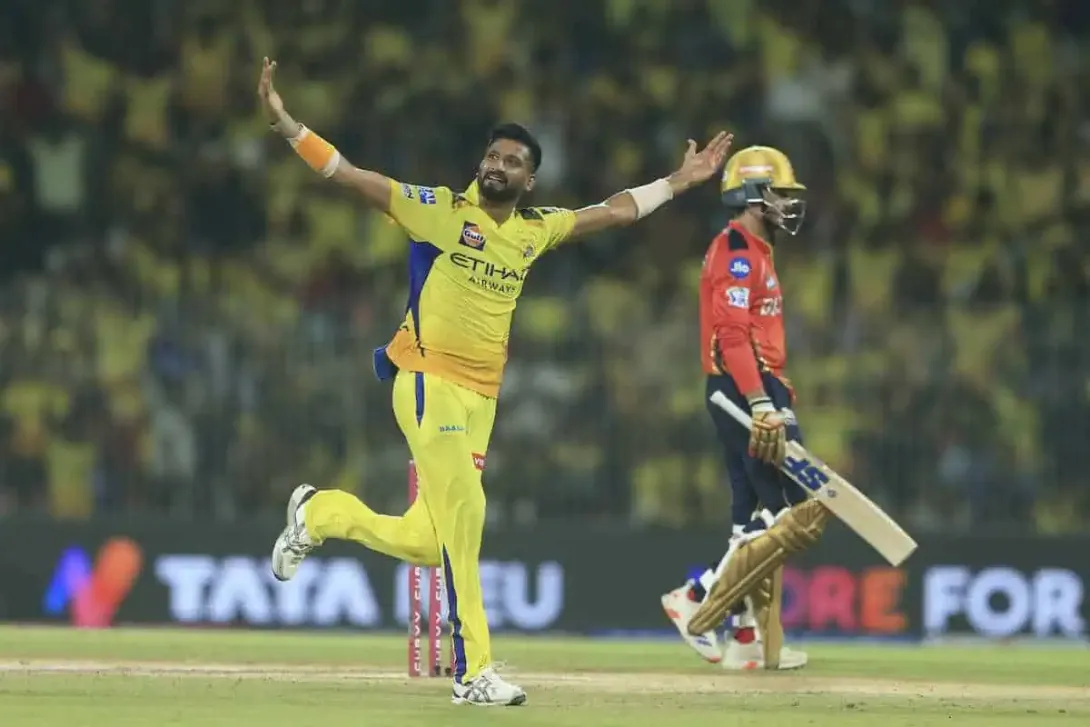
Chennai Super Kings have encountered a significant pre-season challenge with fast bowler Khaleel Ahmed ruled out of IPL 2026 due to injury. The absence of the left-arm pacer disrupts the team’s bowling equilibrium, particularly in key phases such as powerplay and death overs. This development compels the franchise to reassess its squad composition and accelerate replacement strategies. Beyond immediate on-field implications, the situation highlights the importance of depth, risk management, and contingency planning in franchise cricket. As the IPL’s competitive and commercial stakes rise, adaptability remains critical to sustaining both performance and brand value.
Major Blow Ahead of the Season
Chennai Super Kings have been dealt a notable setback with Khaleel Ahmed ruled out of the Indian Premier League 2026 season due to injury.
The development comes at a crucial juncture, as franchises finalize tactical combinations and squad roles ahead of the tournament. Khaleel’s absence leaves a visible gap in the pace unit, particularly given his ability to influence early breakthroughs and contain runs in high-pressure overs.
Tactical Disruption in the Bowling Unit
Khaleel Ahmed’s role within the squad extended beyond pace; he provided variation as a left-arm seamer, a valuable asset in T20 cricket. His skill set allowed CSK to diversify their bowling strategies, especially in exploiting different pitch conditions.
Without him, the team faces the challenge of redistributing responsibilities among existing bowlers. This may lead to increased workload on key players, potentially affecting performance consistency across the tournament.
Urgent Search for Replacement Options
In response to the injury, CSK management is expected to move swiftly in identifying a suitable replacement. The ideal candidate would replicate Khaleel’s ability to swing the ball and deliver under pressure, though such like-for-like replacements are often difficult to secure mid-cycle.
From a strategic standpoint, this situation underscores the necessity of maintaining a robust bench and scouting network, enabling franchises to respond effectively to unforeseen disruptions.
Financial and Operational Implications
In a league as commercially significant as the IPL, player availability directly influences both sporting outcomes and financial metrics. A weakened bowling attack can impact match results, which in turn affect viewership engagement, sponsorship visibility, and overall brand perception.
For franchises, injuries represent not only a sporting risk but also an operational challenge, requiring swift decision-making to minimize long-term impact.
Competitive Pressure in a High-Stakes League
The Indian Premier League is defined by its intense competition, where even marginal disadvantages can alter a team’s trajectory. For CSK, the absence of a key bowler increases the pressure to adapt quickly and maintain competitive balance.
Teams that successfully navigate such setbacks often demonstrate superior planning and resilience, traits that are critical in a tournament of this scale.
Conclusion: A Test of Depth and Strategic Agility
Khaleel Ahmed’s injury presents a significant challenge for Chennai Super Kings, but it also serves as a test of the franchise’s depth and strategic agility. The ability to respond effectively—through replacements, tactical adjustments, and team cohesion—will be crucial in determining their success in IPL 2026.
In a league where unpredictability is constant, resilience and adaptability remain the defining factors that separate contenders from the rest.
Comments