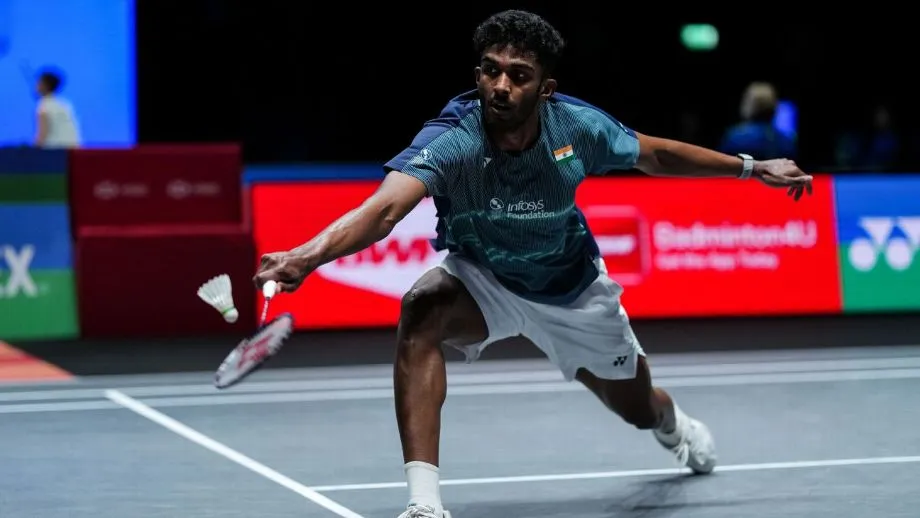
India’s sports ecosystem in 2026 is witnessing unprecedented momentum, driven by a dense calendar of global and domestic events. With marquee competitions such as the Commonwealth Games, Asian Games, and two editions of the Chess World Championships, the year underscores the nation’s growing stature in international sports. April, in particular, reflects this intensity through a tightly packed schedule across disciplines. As audiences struggle to keep pace, centralized daily updates and structured sports coverage have become essential, signaling a shift toward a more organized, commercially viable, and media-driven sporting landscape in India.
India’s Expanding Sports Landscape in 2026
India’s sporting calendar in 2026 highlights a transformative phase, where athletic performance intersects with economic opportunity. The simultaneous hosting and participation in global tournaments such as the Commonwealth Games and the Asian Games reinforce India’s emergence as both a competitive force and a strategic stakeholder in international sports.
This convergence of events is not merely symbolic. It reflects years of incremental investment in infrastructure, athlete development, and governance reforms. As a result, India’s sports sector is evolving into a structured industry with measurable financial outputs and increasing investor confidence.
Chess and Intellectual Capital: A Strategic Advantage
The inclusion of two editions of the Chess World Championships within a single year marks a significant milestone. India’s deepening influence in global chess—supported by a pipeline of young grandmasters—positions the country uniquely in an intellectual sport that is rapidly gaining commercial traction.
Streaming platforms, sponsorship deals, and digital engagement are redefining chess as a monetizable asset. This shift demonstrates how non-traditional sports can contribute to the broader sports economy when supported by the right ecosystem.
April’s Congested Calendar Reflects Systemic Growth
April serves as a microcosm of India’s sporting surge. The concentration of tournaments, bilateral series, and domestic leagues within a single month illustrates both the opportunities and challenges of a rapidly expanding calendar.
For fans, investors, and analysts, the sheer volume of events increases the risk of fragmented attention. This has led to the growing relevance of curated, real-time sports updates—an area where platforms such as ESPN have established a strong foothold through structured daily coverage.
The Business of Sports Coverage
The proliferation of daily sports briefings signals a broader shift in how content is consumed. Modern audiences demand immediacy, accuracy, and context. As a result, sports journalism is transitioning into a hybrid model that blends reporting with analytics and storytelling.
Centralized digital platforms are increasingly becoming hubs of engagement, driving advertising revenues and user retention. This trend also reflects the professionalization of sports media, where editorial precision and data-driven insights are key differentiators.
Financial Implications and Market Opportunities
The alignment of high-profile events in 2026 is expected to unlock multiple revenue streams within the sports ecosystem:
- Sponsorship Expansion: Corporate entities are likely to increase investments to capitalize on heightened visibility.
- Broadcast Monetization: Multi-platform broadcasting rights will drive revenue growth across television and digital channels.
- Athlete Endorsements: Top performers will attract lucrative brand partnerships, further commercializing individual success.
Additionally, the integration of technology—ranging from analytics to fan engagement tools—will enhance operational efficiency and profitability across the value chain.
Conclusion: From Activity to Industry
India’s sports sector in 2026 is no longer defined solely by participation; it is characterized by scale, structure, and strategic intent. The convergence of global events, an intense domestic calendar, and evolving media ecosystems signals the maturation of sports into a full-fledged industry.
As April’s action-packed schedule demonstrates, the challenge lies not in the lack of content but in effectively navigating it. In this context, structured coverage and informed analysis will play a crucial role in shaping how audiences, investors, and policymakers engage with India’s rapidly expanding sporting economy.
Comments