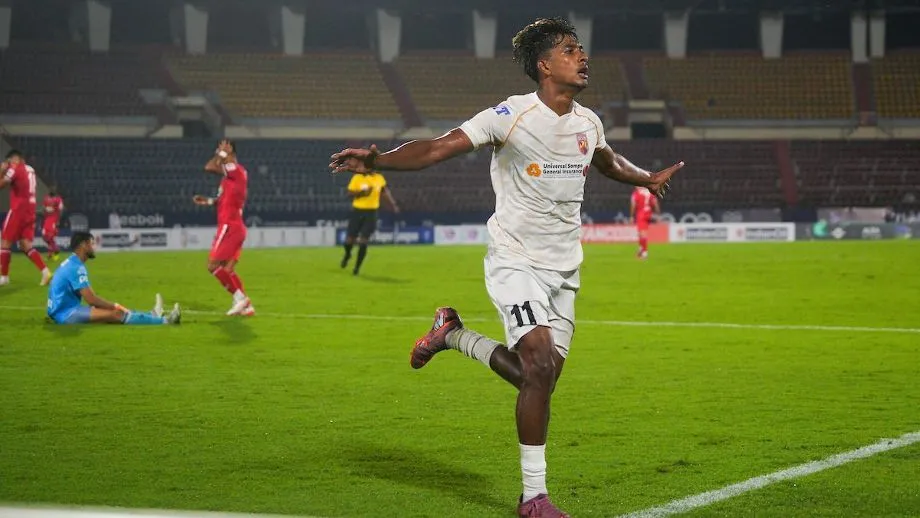
India’s sporting ecosystem is entering a defining phase in 2026, marked by a dense calendar of global competitions and rising domestic engagement. With the Commonwealth Games, Asian Games, and two Chess World Championships scheduled within the year, the stakes for athletes, administrators, and commercial stakeholders have never been higher. April exemplifies this intensity, offering a snapshot of a packed schedule filled with key events and results. As fan interest deepens, the demand for timely updates and structured coverage is accelerating, positioning sports media platforms as critical intermediaries in shaping narratives and sustaining engagement across India’s rapidly evolving sports economy.
A Transformative Year for Indian Sports
The Indian sports calendar in 2026 reflects a convergence of ambition, preparation, and opportunity. With multiple high-profile international tournaments scheduled across disciplines, the year is expected to test the depth and resilience of India’s athletic talent pool.
The simultaneous staging of the Commonwealth Games and the Asian Games—alongside two Chess World Championships—creates a rare alignment of global platforms. This concentration not only raises expectations for podium finishes but also places significant operational demands on sports federations responsible for training cycles, logistics, and athlete welfare.
April’s Packed Schedule Highlights Systemic Momentum
April stands out as one of the most active months in an already crowded calendar. Competitions, qualifiers, and preparatory events are unfolding in quick succession, offering fans a steady stream of results and performances.
However, the sheer volume of activity has made it increasingly challenging for audiences to stay updated. This has elevated the importance of centralized, real-time information platforms that aggregate schedules, scores, and expert analysis into accessible formats. The modern sports consumer is no longer passive; they demand immediacy, accuracy, and context.
The Expanding Role of Sports Media Platforms
In this high-frequency environment, daily sports coverage platforms have become indispensable. By delivering curated updates, performance breakdowns, and forward-looking schedules, these platforms act as both information hubs and narrative builders.
Their role extends beyond reporting scores—they shape public discourse, influence fan sentiment, and provide commercial visibility to athletes and sponsors. As competition intensifies, the value of consistent, credible coverage continues to rise, positioning sports media as a key stakeholder in the broader ecosystem.
Economic Implications and Commercial Upside
From a financial perspective, 2026 presents a compelling growth story. Increased visibility around international events is likely to drive higher advertising revenues, sponsorship deals, and broadcast valuations.
Brands are expected to leverage the heightened attention around Indian athletes to enhance market positioning, while governing bodies may benefit from improved funding flows tied to performance outcomes. The ripple effect extends to ancillary sectors, including sports technology, analytics, and merchandising.
This intersection of performance and profitability underscores a broader shift: Indian sports is no longer just a cultural phenomenon—it is an emerging economic engine with scalable potential.
Building a Sustainable Sporting Future
While the immediate focus remains on results and rankings, the long-term significance of 2026 lies in its ability to catalyze structural improvements. Investments in grassroots development, coaching infrastructure, and athlete support systems will determine whether this moment translates into sustained success.
The challenge for policymakers and administrators is to convert short-term visibility into long-term capability. If executed effectively, the current momentum could redefine India’s position in global sport, transforming it from a periodic contender into a consistent powerhouse.
Conclusion
As India navigates one of its busiest sporting years, the convergence of competition, commerce, and media attention offers a unique inflection point. The ability to manage this complexity—while delivering results on the global stage—will ultimately shape the narrative of Indian sports for years to come.
Comments