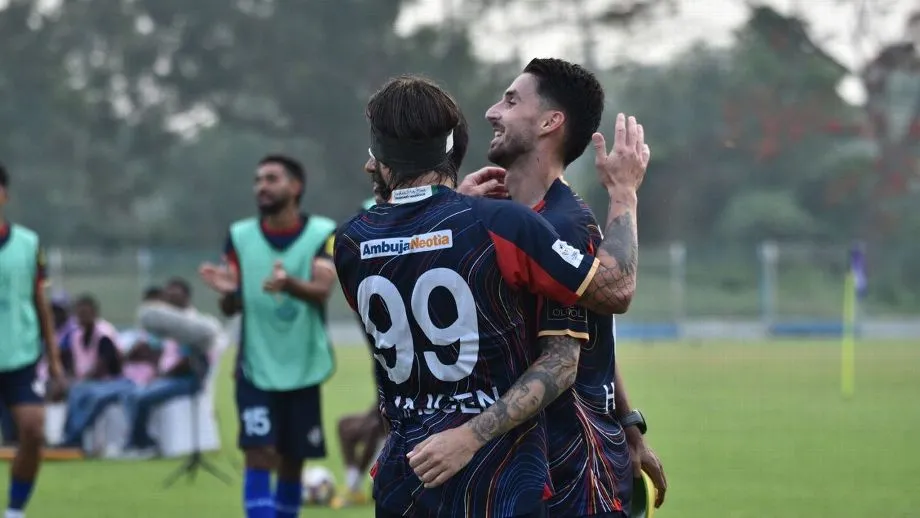
India’s sporting landscape in 2026 is defined by an intense calendar, high-profile international events, and expanding audience engagement. With marquee competitions such as the Commonwealth Games, Asian Games, and two Chess World Championships, the year presents both opportunity and pressure for athletes and administrators. The month of May encapsulates this momentum, featuring a dense lineup of fixtures across disciplines. As the volume of competitions increases, the role of centralized, real-time sports coverage becomes critical. Platforms delivering curated updates, scores, and analysis are reshaping how fans and stakeholders track performance in an increasingly competitive and commercially significant ecosystem.
A Defining Year for Indian Sports
The year 2026 is shaping up to be a watershed moment for Indian sports, marked by a convergence of global tournaments that demand elite-level performance. Flagship events such as the Commonwealth Games and the Asian Games are expected to dominate headlines, offering India an opportunity to consolidate its standing as a rising force in international competition.
Equally significant are the two editions of the Chess World Championships, reflecting India’s growing influence in mind sports. Together, these events create a layered competitive environment that tests depth, preparation, and strategic execution.
May’s Congested Schedule Highlights Broader Trends
The intensity of 2026 is particularly evident in May, a month packed with overlapping tournaments and critical fixtures. Athletes face compressed schedules, requiring precise workload management and peak conditioning to sustain performance levels.
From an operational standpoint, this congestion introduces complexities for sports federations, broadcasters, and sponsors. Balancing visibility across multiple events while ensuring optimal athlete readiness has become a key challenge in modern sports management.
The Strategic Role of Centralized Sports Coverage
In a landscape saturated with competitions, curated information platforms have emerged as indispensable tools for fans and industry stakeholders. Organizations such as ESPN provide structured daily updates, including scores, schedules, and expert commentary, helping audiences navigate the deluge of information.
This shift toward centralized coverage aligns with broader digital consumption trends, where immediacy and clarity are paramount. For Indian sports followers, it ensures comprehensive visibility across disciplines that might otherwise struggle for attention.
Commercial Implications and Market Expansion
A packed sporting calendar carries significant economic implications. High-profile tournaments drive revenue through sponsorships, media rights, and advertising, reinforcing sports as a key growth segment within India’s broader entertainment industry.
However, the financial upside is accompanied by strategic considerations. Overlapping events can dilute audience engagement and strain resources, making efficient scheduling and targeted marketing essential for maximizing returns.
Outlook: Opportunity Meets Execution
As India navigates this high-intensity sporting cycle, success will depend on more than just athletic performance. Institutional coordination, data-driven decision-making, and sustained investment in infrastructure will play decisive roles.
With 2026 poised to set new benchmarks, the convergence of competition, commerce, and content underscores a simple reality: in modern sports, staying informed is as critical as competing.
Comments