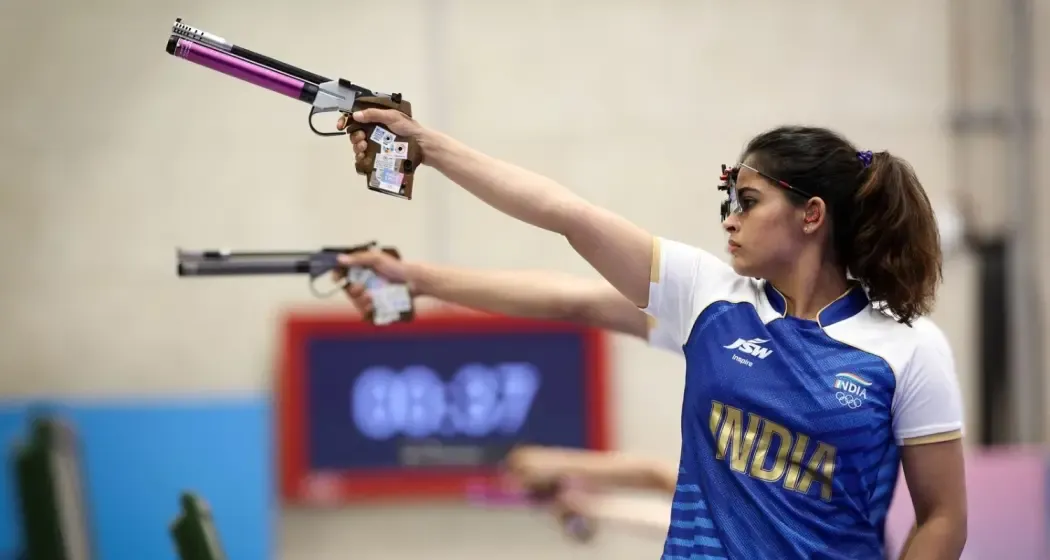
India’s shooting contingent is set to begin its campaign at the season-opening ISSF World Cup with a renewed emphasis on rifle and pistol disciplines. Following a disappointing performance at the Shotgun World Cup in Morocco, the team has recalibrated its strategy to build on the dominance it displayed in precision shooting events last year. With a strong mix of experience and emerging talent, Indian shooters aim to reinforce their global standing. The tournament carries significant implications for rankings, sponsorship momentum, and the broader trajectory of India’s investment-driven sports ecosystem.
Strategic Realignment After Morocco Setback
The Indian shooting team enters the ISSF World Cup with a clear strategic pivot. The underwhelming results in Morocco’s shotgun events exposed inconsistencies that have prompted a reassessment of priorities.
In response, the focus has shifted decisively toward rifle and pistol disciplines—areas where India has consistently delivered strong performances. This recalibration reflects a data-driven approach to maximizing medal prospects and optimizing resource allocation.
Rifle and Pistol: Pillars of Competitive Strength
Over the past year, India has established itself as a formidable force in rifle and pistol shooting. The country’s success in these disciplines has been driven by technical excellence, rigorous training methodologies, and psychological conditioning.
The current squad benefits from a blend of seasoned performers and young athletes, creating a competitive environment that fosters both consistency and innovation. This depth is expected to play a crucial role in sustaining India’s dominance on the global stage.
Performance Metrics and Competitive Outlook
The ISSF World Cup serves as a critical platform for assessing early-season form and setting performance benchmarks. Results at this stage influence global rankings and shape qualification pathways for major international events.
For Indian shooters, the objective extends beyond immediate success. Consistency, adaptability to varying competition conditions, and incremental performance improvements will be key indicators of long-term progress.
Financial Investment and Institutional Support
India’s rise in shooting has been underpinned by sustained financial investment, with funding often reaching multiple crores (Rs.) across infrastructure, equipment, and athlete development programs. Government initiatives, coupled with private sector support, have created a robust ecosystem for nurturing talent.
This investment-driven model has enabled Indian shooters to access world-class facilities and training resources, enhancing their ability to compete at the highest level.
Broader Economic and Commercial Implications
Success in international shooting events contributes to India’s broader sports economy by attracting sponsorships, media attention, and grassroots participation. High-profile performances elevate the sport’s visibility, creating opportunities for commercial partnerships and brand endorsements.
As India continues to diversify its sporting portfolio, shooting represents a key area of growth, offering both competitive success and economic potential.
Conclusion: A Crucial Test of Resilience and Strategy
The ISSF World Cup marks an important moment for Indian shooters as they seek to balance redemption with continuity. The shift toward rifle and pistol disciplines underscores a strategic focus on proven strengths, while the lessons from recent setbacks highlight the need for ongoing refinement.
A strong performance at the season opener would not only reaffirm India’s global standing but also validate the effectiveness of its long-term investment in precision sports—setting the tone for a promising competitive year ahead.
Comments