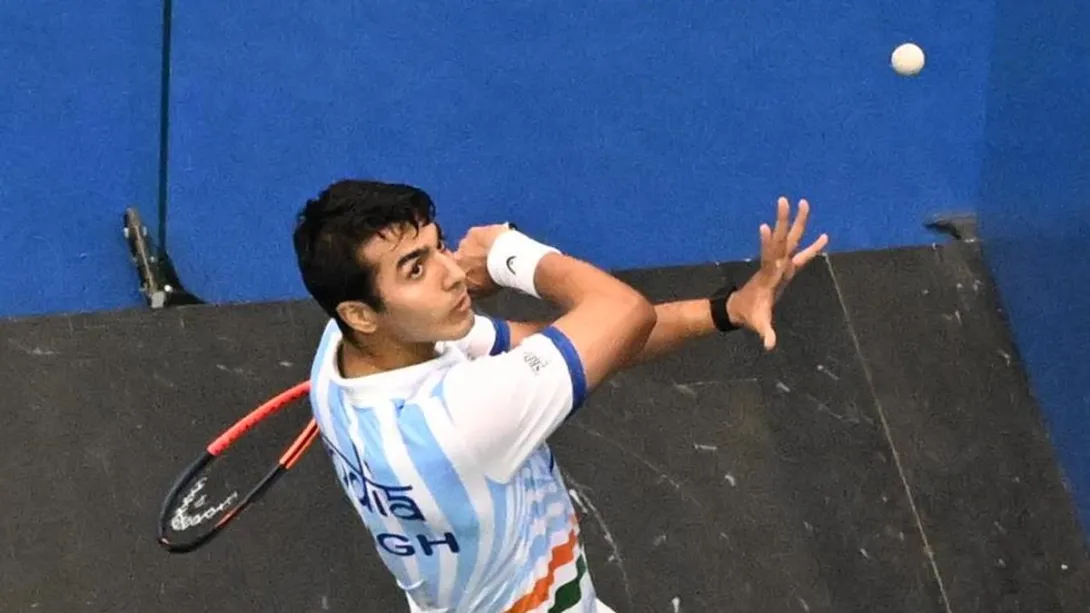
India’s Abhay Singh is set for a defining encounter against Egypt’s Youssef Ibrahim, while Anahat Singh exited after a competitive showing against world No. 1 Hania El Hammamy. The results reflect both the growing presence of Indian players on the global squash circuit and the continued dominance of Egyptian athletes. As rankings tighten and competition intensifies, these matches carry broader implications for career progression, sponsorship potential, and the commercial expansion of squash as an emerging sport within India’s evolving sports economy.
Abhay Singh’s Upcoming Challenge
World No. 25 Abhay Singh now faces a significant test against sixth seed and world No. 7 Youssef Ibrahim. The matchup represents a crucial opportunity for Abhay to measure himself against one of the sport’s elite competitors.
Ibrahim’s attacking style and technical precision will demand a disciplined response. For Abhay, maintaining composure during extended rallies and converting key points could prove decisive in narrowing the ranking gap.
Anahat Singh’s Competitive Exit
In the women’s draw, world No. 20 Anahat Singh encountered a formidable opponent in world No. 1 Hania El Hammamy. Despite demonstrating resilience, Anahat was defeated in four games, with the Egyptian securing victory 11-8, 11-5, 9-11, 11-8.
Anahat’s ability to claim the third game highlighted her potential and fighting spirit. However, El Hammamy’s experience and tactical control ultimately ensured her progression in the tournament.
Egypt’s Structural Dominance in Squash
Egypt continues to set the benchmark in global squash, with players consistently occupying top rankings. The success of athletes like Youssef Ibrahim and Hania El Hammamy reflects a well-established system that integrates elite coaching, competitive exposure, and sustained investment.
This dominance creates a high-performance standard that emerging players from other nations must match to remain competitive at the highest level.
India’s Growth Trajectory in Squash
India’s representation in international squash has strengthened in recent years, driven by improved infrastructure and targeted investment in player development. Rising athletes such as Abhay Singh and Anahat Singh exemplify this upward trend.
Financial backing—often reaching into crores (Rs.) for training, international participation, and coaching—has begun to yield results. While the gap with leading nations persists, consistent exposure to top-tier competition is accelerating progress.
Commercial and Ranking Implications
Performance in global tournaments directly influences ranking mobility and commercial opportunities. For Abhay, a strong showing against a top-10 opponent could enhance his visibility and attract sponsorship interest.
For Anahat, despite the early exit, competing against the world’s best contributes to her professional growth and marketability. Such experiences are integral to building long-term career value in the sport.
Conclusion: Progress Amid Global Competition
The contrasting outcomes for Abhay Singh and Anahat Singh illustrate both the challenges and promise of Indian squash. While Egypt’s dominance remains evident, India’s emerging talent is steadily gaining ground.
As Abhay prepares for a high-stakes encounter, the broader narrative is one of progression—where strategic investment, exposure, and performance converge to shape the future of Indian squash on the global stage.
Comments